
Last updated September 10, 2026
Full 25-point door and opener safety check with every visit - springs, cables, rollers, tracks, and your LiftMaster or Chamberlain opener included
You get a price before we start. It does not change when the truck arrives.
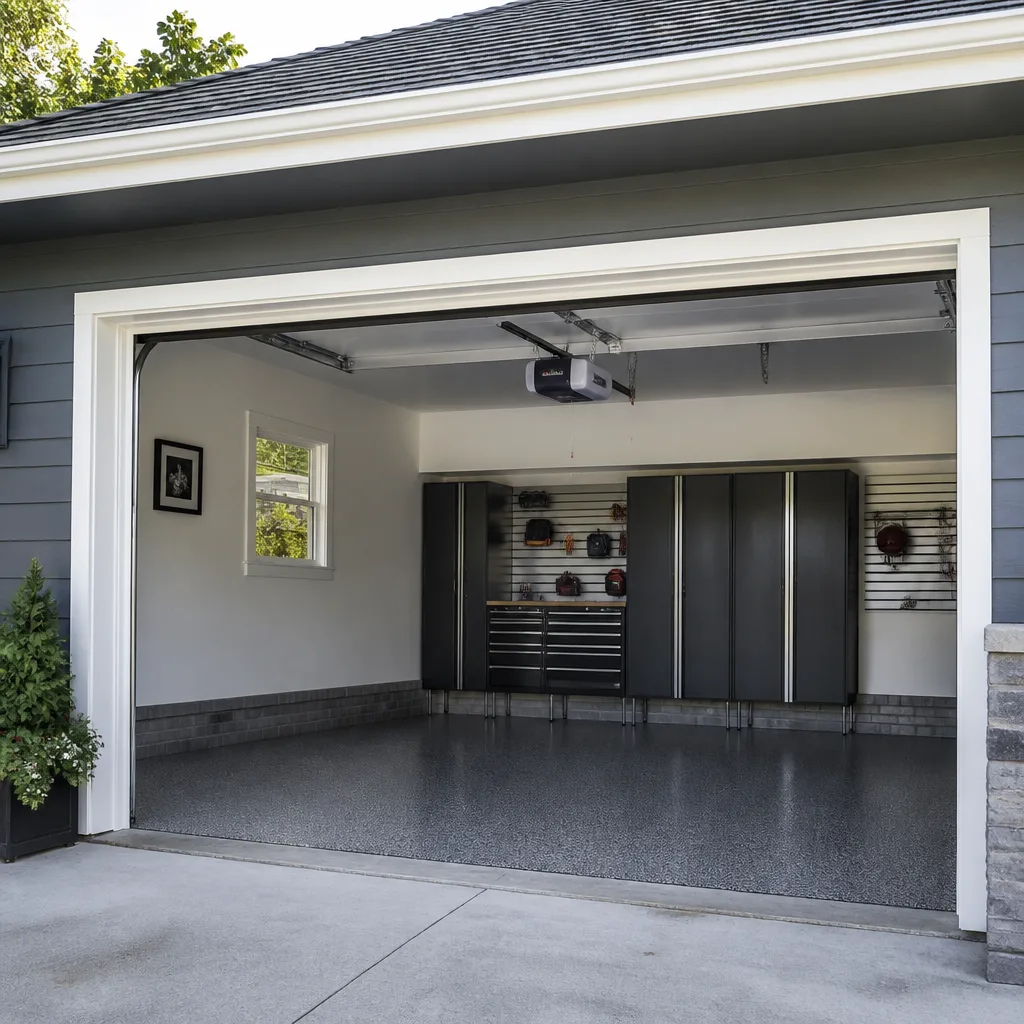
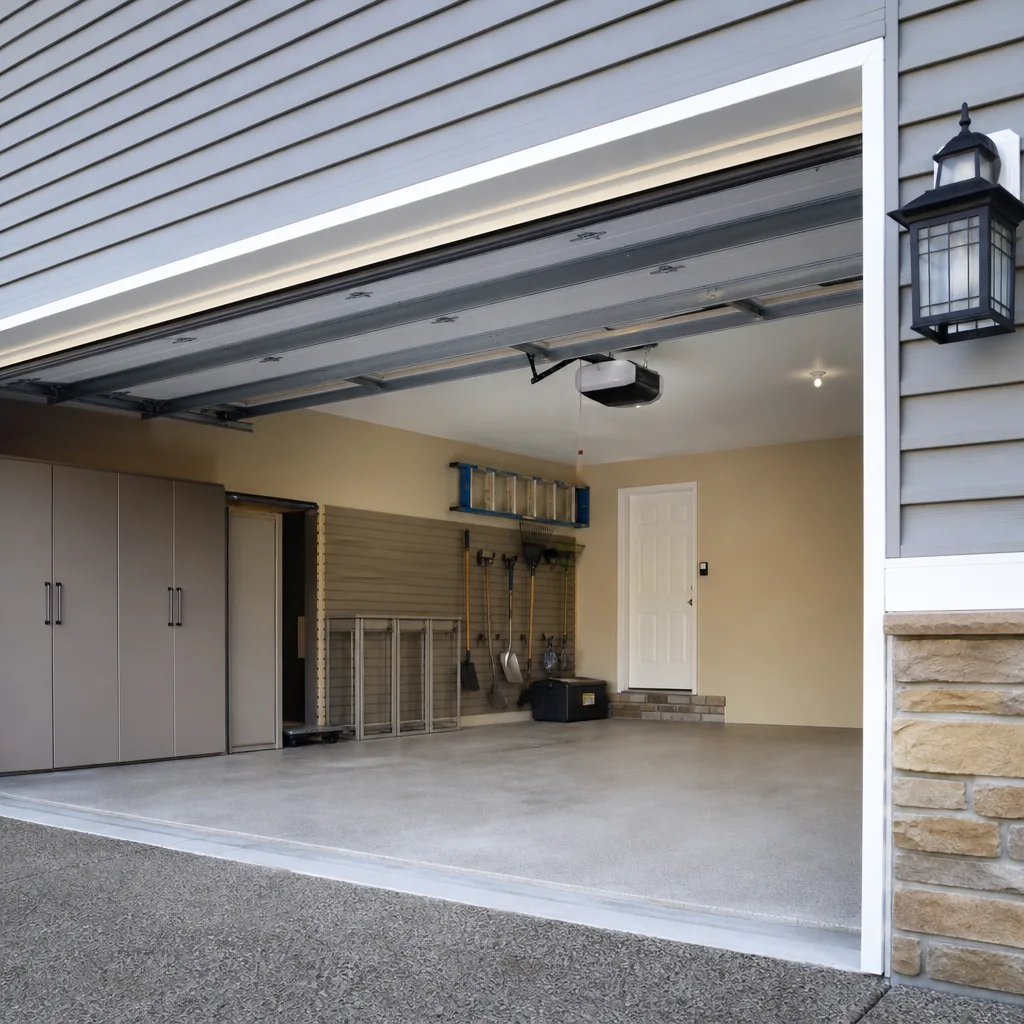
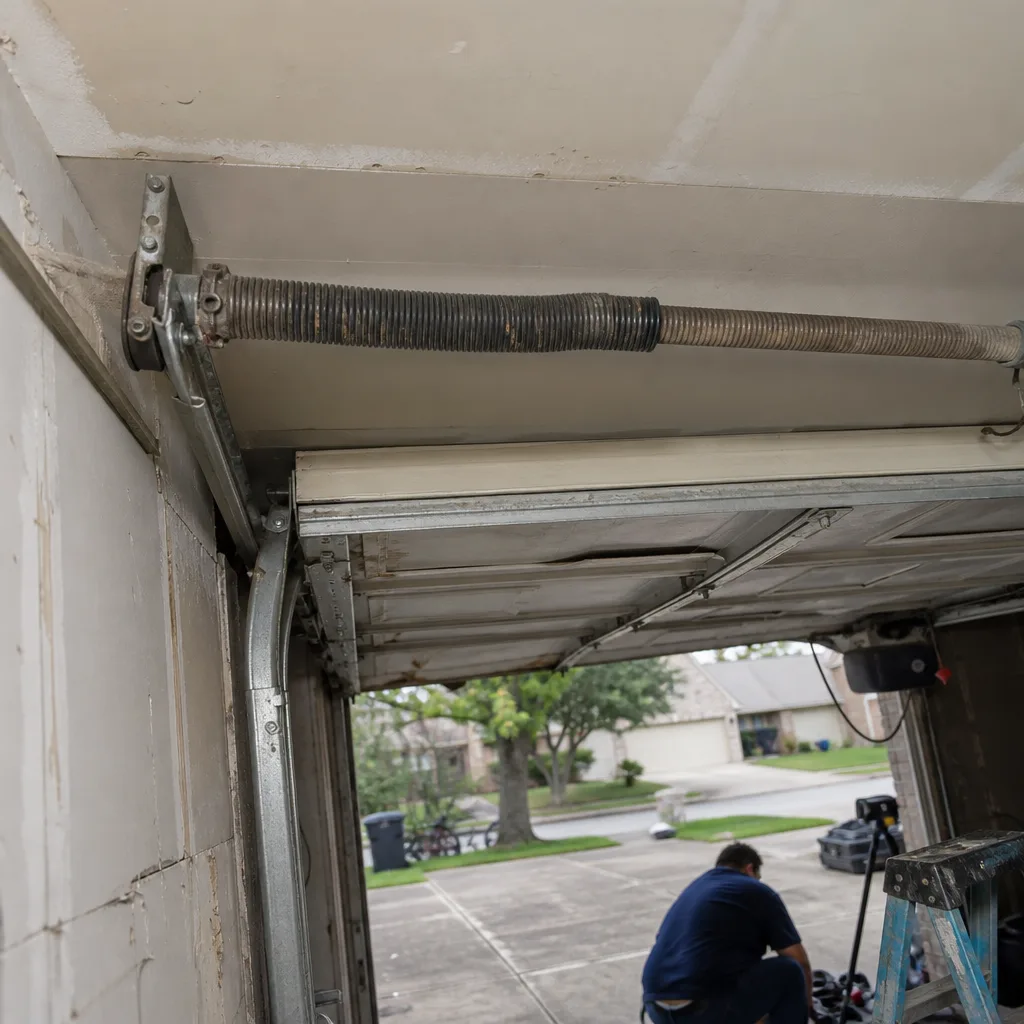 Before
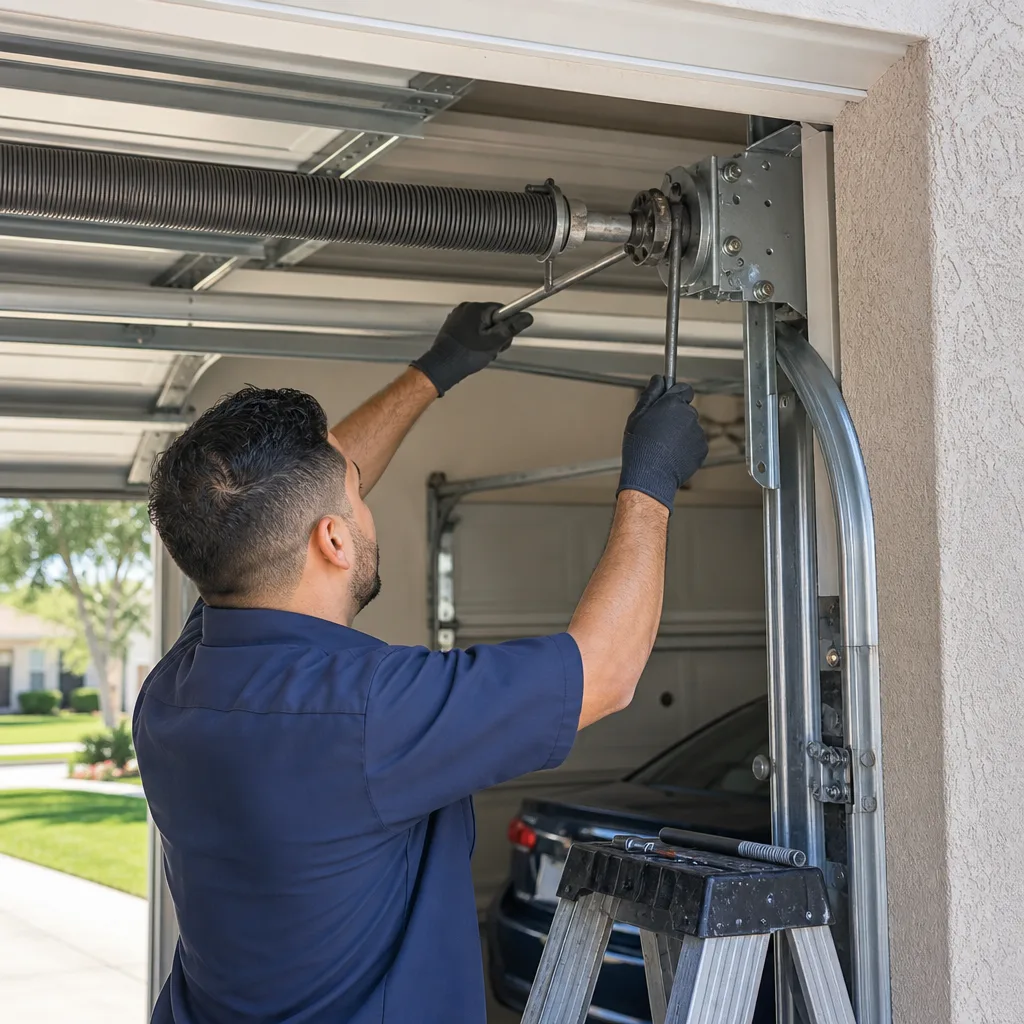 After
After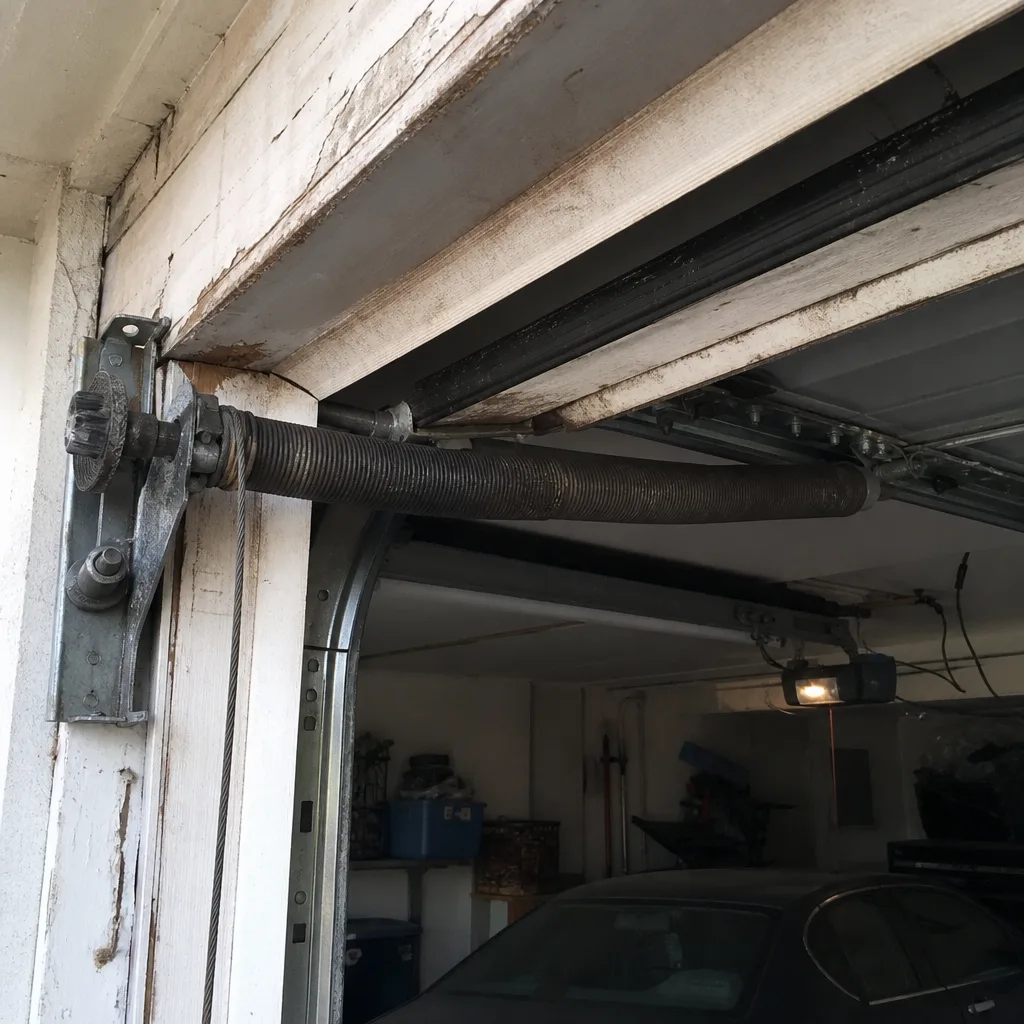 Before
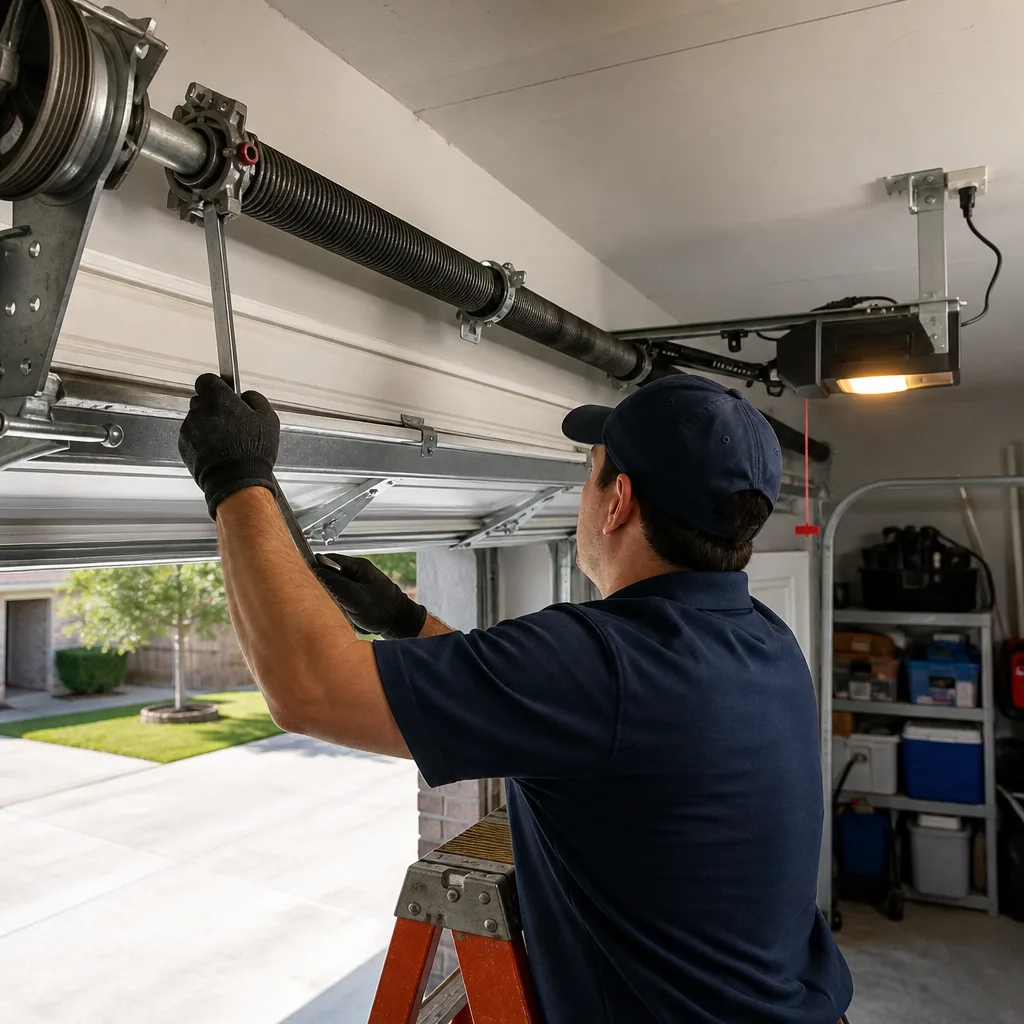 After
After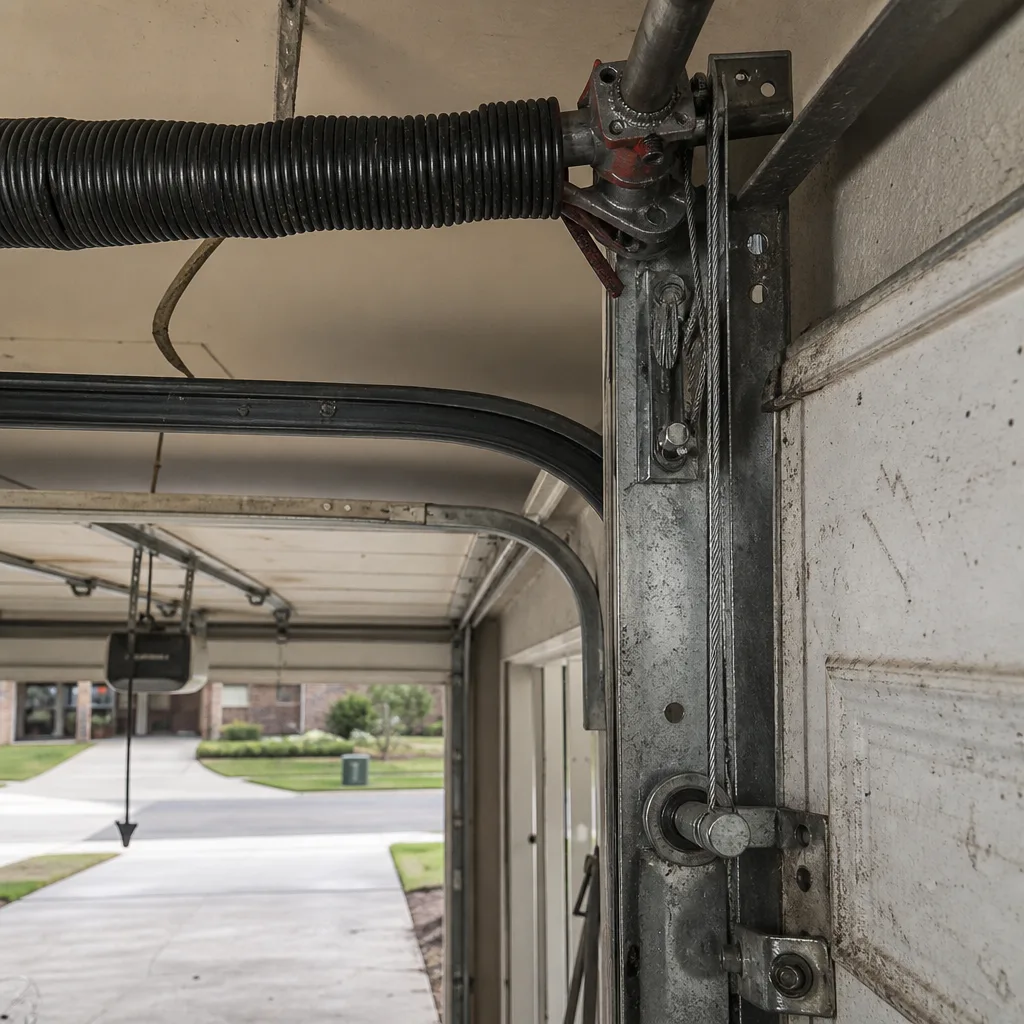 Before
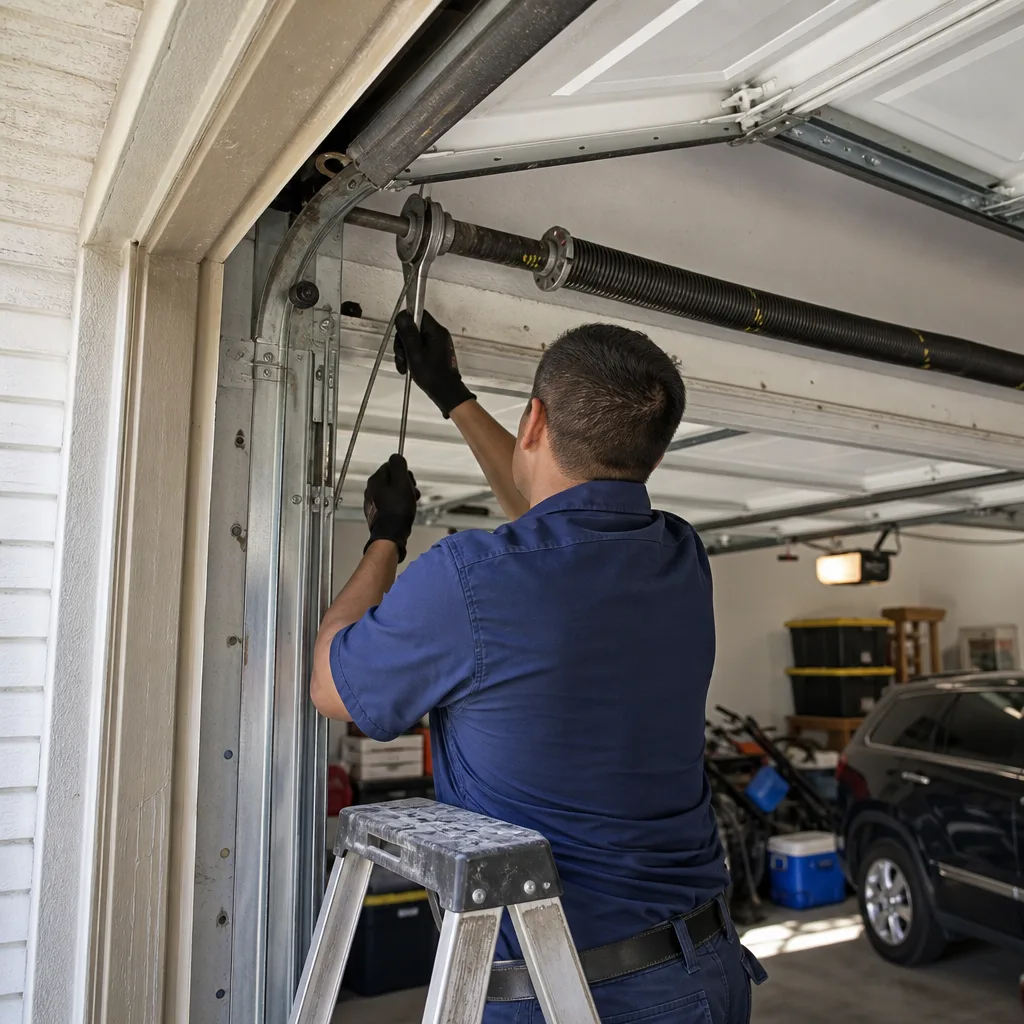 After
AfterGarage Door Permits, Codes & Inspections in TX: What You Need to Know
A permit requirement doesn’t show up when you’re replacing panels or springs. But swap out a full door with a new opener on a finished garage in an unincorporated Fort Bend County lot, and you may owe a permit you never knew existed, discovered by the buyer’s inspector the week before closing. This isn’t a scare story. It’s a map. Cinco Ranch straddles three different permitting authorities depending on which side of which street your house sits on, and in over twenty years of working garage doors in this county, I’ve watched too many homeowners find out about the requirement the expensive way: at the resale table, not the permit counter.
This guide gives you the straight answer on when a Texas garage door job needs a permit, which jobs never do, what HOA review actually adds to the equation, and exactly what a Fort Bend County permit costs and how long it takes. For Garage Door Repair Maintenance Checklist for Cinco Ranch Homeowners, see our dedicated resource. I’ll walk you through specific triggers, the real consequences of skipping it, and how to know whether the contractor quoting your job is pulling permits honestly or pricing low by leaving them out.
Keep reading to learn the exact thresholds, the common confusion between panel swaps and full conversions, and what a title company can flag years after the work is done.
Table of Contents
- When Do You Need a Permit for a Garage Door in Texas?
- Fort Bend County vs. City of Katy: Two Jurisdictions, Different Rules
- HOA Architectural Review vs. County Permits: Which Comes First?
- What Happens at Resale When Unpermitted Garage Work Is Discovered
- Real Permit Fees and Timelines for Fort Bend County
- Garage Door Jobs That Never Need a Permit
- Common Mistakes to Avoid
- When to Call a Professional
- Frequently Asked Questions
- The Bottom Line
When Do You Need a Permit for a Garage Door in Texas?
The short answer: Texas doesn’t have a statewide garage door permit. It’s a county and city decision, which means two houses three blocks apart can have completely different rules. In Cinco Ranch, the same subdivision spans both unincorporated Fort Bend County land and areas under City of Katy jurisdiction, and each has its own trigger for when a garage door replacement crosses from “maintenance” to “construction.”
For most Texas counties, here’s the practical line: swapping like-for-like parts doesn’t need a permit. Installing a new door in the existing opening doesn’t need a permit. What can trigger a permit is a structural change: expanding the opening, converting a carport into a garage, adding a new garage door where one didn’t exist, or altering the framing around the opening.
But Fort Bend County has a tighter rule than most nearby counties, and it matters in Cinco Ranch. Here’s what triggers a residential garage door permit in unincorporated Fort Bend County:
- Full door replacement + new opener on a finished garage attached to the home - this is the one nobody sees coming. The county classifies it as a residential alteration, not a simple repair, when both the door and opener are installed in the same job and the garage is attached to a conditioned living space.
- Any change to the structural framing or header above the door opening - widening the opening, raising the header, or reinforcing a beam. This is structural work, full stop, and needs engineered drawings in some cases.
- New electrical circuit for an opener - if your old garage didn’t have a wired opener and you’re adding a dedicated circuit, the electrical component triggers a separate permit with the county’s electrical inspector.
- Converting a carport or covered area into an enclosed garage - this is a new structure in the county’s eyes, and the door is just one part of a much larger permit package.
What does NOT trigger a permit: replacing a broken spring, swapping a single panel, replacing rollers and cables, installing a new opener where an outlet already exists, or swapping a full door where the opener stays. But the line between “full replacement” and “swap” comes down to how the county defines the scope of work, and that’s where a contractor trying to keep the bid low will quietly omit a permit line item.
In my experience working in Cinco Ranch since 2004, the most common scenario is the second one: a homeowner replaces a 20-year-old door and opener at the same time, the garage is attached, the house is in unincorporated Fort Bend County, and nobody mentions the permit. These are exactly the kinds of Garage Door Warning Signs: A Cinco Ranch Homeowner’s Reference Guide moments that surface years later. Five years later, the owner wants to sell. Now we’re having a different conversation.
Fort Bend County vs. City of Katy: Two Jurisdictions, Different Rules
Cinco Ranch is split. The mailing address says Katy, but a large section of the master-planned community sits in unincorporated Fort Bend County, not within the actual City of Katy limits. Both jurisdictions can claim a portion of the same neighborhood, and they enforce garage door permits differently.
In unincorporated Fort Bend County, the permitting trigger I described above applies: full door and opener replacement on an attached finished garage lands in the permit-required column. The county’s permit office treats the garage as part of the residence footprint, and residential alteration permits cover doors and openers when installed as a package.
Inside the City of Katy’s actual municipal limits, the rules are more conventional. A direct swap of a garage door in the existing opening, even with a new opener, generally rides as maintenance. The city is more concerned with work that changes the structure: opening expansion, header modification, carport-to-garage conversion. But Katy’s enforcement is stricter about pulling permits for structural work than Fort Bend County’s desk review, and architectural review through Katy’s planning department can add time.
How do you know which jurisdiction you’re in? Don’t guess from your mailing address. Here’s the step-by-step check:
- Pull up your property tax statement or your appraisal district record. Fort Bend County Appraisal District will list the taxing entities. If you see “City of Katy” as a taxing unit, you’re inside city limits. If you don’t, you’re in unincorporated county territory.
- Check the county permit office’s online jurisdiction lookup. Fort Bend County has a parcel search that displays the applicable permitting authority.
- Call the county permit desk directly and give them your address. A live person can tell you which rule set applies to your exact lot.
- If your HOA has a community manager assigned to your village in Cinco Ranch, that manager usually knows which side of the line your section falls on, though you should verify independently for permit purposes.
I’ve seen homeowners assume “Katy mailing address means Katy rules” and get sideways at resale. It doesn’t work that way. Your permitting authority follows your taxing jurisdiction, not your ZIP code. In Cinco Ranch, that means some homes on one side of a street pull county permits while their neighbors across the street fall under city rules.
HOA Architectural Review vs. County Permits: Which Comes First?
Here’s the order that saves you time: HOA first, then county. The Cinco Ranch Residential Association (CRRA) and the sub-associations for each village have architectural review requirements for any exterior modification, and an overhead garage door counts as a visible exterior element. You satisfy the design review process first, then take that approval to the county or city permit office as part of your permit application.
The HOA cares about appearance. The county cares about structure. They’re checking different things, and neither one substitutes for the other. A CRRA architectural approval does not satisfy a Fort Bend County permit trigger, and a county permit stamp does not mean the HOA approved your door’s color and panel style.
In practice, for Cinco Ranch homeowners, the sequence looks like this:
- Submit your proposed door to your village’s architectural review committee (or the CRRA if your section hasn’t been delegated). Most villages want the manufacturer’s product sheet, door style, panel design, and color.
- Wait for the architectural approval. Typical turnaround in Cinco Ranch is 2 to 4 weeks depending on the village and the review calendar. Don’t schedule the install until you have it.
- Determine your permit jurisdiction (Fort Bend County or City of Katy) using the steps above.
- If a permit is triggered, apply through the relevant office. The county’s online portal allows homeowners to apply directly for a residential alteration permit.
- Coordinate the inspection after installation. For an attached garage door and opener replacement, the county typically sends a single inspector to check the installation and the electrical connection.
The common trap is assuming that because a licensed garage door contractor is doing the work, the permitting is handled. That depends on the contractor’s policy. Some pull permits as part of the job. Some will do it if you ask and you pay the fee. Some will quote the job without a permit and not mention it, because the lower quote wins the bid. When I quote a full door and opener replacement in Cinco Ranch, I tell the homeowner on the front end which sections of the neighborhood will need a permit and which won’t, and I line up the HOA paperwork before the door is ordered. That’s the only way it works without surprises.
One more note on the HOA side: Cinco Ranch architectural standards for garage doors are real, but they’re not as restrictive as some older deed-restricted neighborhoods. The association is primarily concerned with maintaining the style consistency of each village. If you’re replacing a door with the same style and finish, approval is usually straightforward. If you want to change the door material, window pattern, or color drastically from what’s typical for your section, expect more questions.
The Otto’s Garage Door home page has more on how we approach these projects from start to finish, including which steps we handle on your behalf versus which ones you’ll need to sign.
What Happens at Resale When Unpermitted Garage Work Is Discovered
This is where unpermitted work gets expensive, and it’s not a hypothetical. It plays out in real estate transactions all over Fort Bend County, including Cinco Ranch.
Here’s the actual scenario: you replaced your full garage door and opener seven years ago. You didn’t pull a permit because you didn’t know one was triggered, or the contractor said not to worry about it. Now you’re selling the house. The buyer’s home inspector notes that the door and opener appear newer than the home’s original build date. The title company’s pre-closing due diligence checks permit records against the property’s improvement history. There’s no record for the door. The flag goes up.
What happens next depends on the buyer, the lender, and the title company. In Texas, a standard title commitment doesn’t necessarily kill a sale over unpermitted work, but it can do all of the following:
- Delay closing. The buyer’s lender may require a retroactive permit or a compliance inspection before underwriting proceeds.
- Force a price concession. The buyer’s agent will ask for the cost of retro-permitting plus any corrective work as a seller credit.
- Trigger a compliance inspection. If the county allows it, you can file for a permit after the fact, get the work inspected, and close the loop. If the door doesn’t meet current code, you’ll pay to fix it before the inspector signs off.
- Cancel the contract. In some cases, if the unpermitted work creates an insurability problem or the lender won’t proceed, the buyer can walk.
In my experience, the most common resolution in Cinco Ranch is the second and third combined: a retroactive permit, a compliance inspection, and a seller credit to make the buyer whole for the hassle. The total cost usually runs two to three times what the original permit would have cost, plus the stress of doing it all under a closing deadline.
Fort Bend County does allow retroactive permits for residential alterations in most cases. It’s not a punishment process; it’s a compliance process. You file, you pay the permit fee plus a late penalty that varies by the length of time since the work was done, and you schedule an inspection. But the inspection is the wild card. If the door installation doesn’t meet the code in place at the time of the original work (or current code if the inspector applies that standard), you’ll need corrective work before the inspector will pass it.
For a homeowner between 50 and 70, this is the part that stings. You did nothing wrong in your mind. You hired someone. The door works fine. But the paper trail has a hole in it, and the hole becomes the buyer’s problem, which becomes the seller’s problem, which becomes a line item on a contract amendment at 9 p.m. two weeks before closing.
Real Permit Fees and Timelines for Fort Bend County
Let’s put numbers on this so you can budget and evaluate whether a contractor’s estimate includes a legit permit line item or is low by omission. These figures are for unincorporated Fort Bend County, where much of Cinco Ranch sits. City of Katy fees run similar in magnitude, though their structural permit schedule differs slightly.
For a standard residential garage door and opener replacement on an attached garage, here’s what you’re looking at in Fort Bend County:
- Residential alteration permit base fee: $75 to $125 depending on the valuation of the work. A typical full door and opener replacement lands at the lower end of that range.
- Electrical permit (if a new circuit is added): $40 to $60. If the existing outlet and circuit are reused, this fee doesn’t apply.
- Plan review fee (if structural changes require drawings): $25 to $50 for residential review. Most straightforward door replacements don’t trigger this, but any opening modification will.
- Total typical permit cost for a straightforward full replacement: $75 to $150, occasionally up to $200 with electrical work included.
- Retroactive permit penalty (if you’re fixing unpermitted work after the fact): typically double the base permit fee, sometimes triple depending on elapsed time since the work.
On timeline: a straightforward online residential alteration permit in Fort Bend County is typically issued in 3 to 5 business days. Inspection scheduling runs another 3 to 7 business days out depending on the inspector’s route. Total from application to closed permit is usually under two weeks for a simple job. The HOA review in Cinco Ranch runs on top of that, not instead of it.
If you’re getting quotes and one contractor’s number is $500 less than the next, look for what’s missing. The permit fee, the HOA submittal, the inspection coordination, or the follow-up visit if the inspector flags something. In my shop, the price I quote on the phone includes the permit application and the inspection coordination where they’re needed - you never see a surprise line item added at the driveway. But that also means our quotes sometimes look higher than the guy who left it out. Ask the question directly: “Does this include the permit and inspection?” Then watch how he answers.
Homeowners frequently ask us to handle the full garage door installation in Cinco Ranch including the paperwork, because the permitting process is the part nobody wants to deal with on a Saturday afternoon.
Garage Door Jobs That Never Need a Permit
Now the other side, because there’s a whole category of garage door work that absolutely does not need a permit in Texas, and over-permitting wastes money and time. Here’s the definitive list of permit-exempt jobs under both Fort Bend County and City of Katy rules:
- Spring replacement. A broken torsion or extension spring is a parts replacement. No permit, no inspection, no HOA review. This is the most common repair we do in Cinco Ranch, and it has never once triggered a permit requirement.
- Panel replacement. If a tree limb or a neighbor’s basketball puts a dent in a single panel, replacing that panel is cosmetic repair. No permit. The only exception is if the entire door structure is compromised, which is rare.
- Opener replacement where the outlet exists. Swapping a failed LiftMaster or Chamberlain opener for a new one on the same circuit doesn’t trigger a permit. The electrical doesn’t change. This is a same-day job in most Cinco Ranch homes.
- Rollers, hinges, cables, and weather stripping. All wear items. All permit-exempt. All should be on your regular maintenance schedule.
- Sensors and safety system repair. Photo-eye alignment, sensor replacement, and safety reversal testing are maintenance items tied to the existing opener. No permit.
- Full door replacement in the existing opening without a new opener. In most jurisdictions, this rides as maintenance because no electrical or structural work is involved. In unincorporated Fort Bend County, the combo of door + opener is what triggers scrutiny; door alone usually clears.
The practical consequence: if your spring breaks on a Tuesday in Cinco Ranch, you don’t need to wait on an architectural review or a county clerk. You call, we come, we fix it, and the door opens before you miss a day’s work again. The only time a spring replacement interacts with a permit is if the springs were part of an unpermitted full-door job from years ago, which is a different problem entirely.
If you’re not sure whether your specific repair falls into the exempt bucket, the fastest thing to do is check the county’s residential permit exemptions list or call the permit office. You can also browse more guides & resources on our site for related topics. Or ask the person quoting the work. I’ll tell you straight: this repair doesn’t need a permit, and here’s why. That conversation takes 30 seconds.
Homeowners in Cinco Ranch who need an opener swap will find the garage door opener service in Cinco Ranch page covers what gets done on a typical replacement call, including the electrical considerations that come up in older homes.
Common Mistakes to Avoid
These are the specific mistakes I see in real homes around Cinco Ranch, not a generic list. Avoid all of them.
- Assuming a Katy mailing address means Katy city permits. Your mail routes through the Katy post office even when your property sits in unincorporated Fort Bend County. Check your taxing entities, not your ZIP code. This single mistake causes more surprise permits in Cinco Ranch than any other.
- Letting the contractor omit the permit without telling you. Some bids look low because the permit line item isn’t there. Ask the exact question: “Is the Fort Bend County permit included in this price?” If the answer is vague, you have your answer.
- Skipping HOA architectural review because the county doesn’t care. The county permit desk doesn’t check your door color against your village’s design standards. The HOA does, and they can issue a violation letter after the fact, fines included. County and HOA are separate processes.
- Replacing a full door and opener in an attached garage without checking the combo trigger. This is the exact scenario that trips Cinco Ranch homeowners at resale. A door alone is usually fine. A door plus opener on an attached finished garage in unincorporated county territory is the one that lands on the permit report.
- Waiting until the house is under contract to chase a retroactive permit. The retroactive process isn’t instant, and an inspector doesn’t schedule around your closing date. If you know unpermitted work exists, resolve it before you list the house, not after you’ve accepted an offer.
- Assuming a “licensed contractor” automatically handles permits. Being licensed to install garage doors doesn’t mean the contractor pulls county permits on every job. It’s a service, not a requirement, to pull the permit itself. Some contractors do it routinely; some will do it if you insist; some won’t return your call once the job is done and the permit question comes up.
When to Call a Professional
Some garage door work is genuinely dangerous without the right tools and training. A 200-pound door rides on two springs under enough torsion to take a hand off if the winding bar slips. The track, the cables, the opener arms, and the mounting brackets all have specific torque values and alignment tolerances, and when they’re wrong, the door doesn’t fail gracefully - it fails hard, on a Tuesday, with your car inside.
Here’s when to call instead of attempting it yourself: any spring replacement (torsion or extension), any cable or pulley work, any job involving the header above the door, any opener installation on a new circuit, and any full door replacement on an attached garage in Cinco Ranch where a permit and inspection apply. If you’re not sure whether the job is exempt or triggered, call the permit office first, then call us.
Otto’s Garage Door offers free estimates in Cinco Ranch - call (346) 586-0344 and ask about the permit side of the job on that first call. I’ll tell you whether your project triggers a county permit, how long the HOA review will take in your village, and what the total price will be before any work starts.
Frequently Asked Questions
In unincorporated Fort Bend County, a full garage door replacement combined with a new opener on an attached finished garage typically triggers a residential alteration permit. A door-only replacement in the existing opening usually does not. Call (346) 586-0344 with your address and I’ll tell you which category your project falls into before you spend a dollar.
A garage door itself is not usually the issue. The permit trigger comes from the combination of the structural attachment to the home and the electrical work for the opener when installed as one project. Fort Bend County treats this as a residential alteration, not a simple repair, which pulls the work into the permit system.
Yes. Fort Bend County allows homeowners to apply for residential alteration permits directly through their online portal. But you’ll still need to complete the work to code, pass the inspection, and satisfy your village’s HOA architectural review separately. If the hoa review isn’t done first, the county permit doesn’t help you with the association.
Not by itself, in most cases. Replacing an existing opener on an existing circuit doesn’t need a permit. Installing a new opener where no electrical circuit exists does trigger an electrical permit for the new circuit, even if the door itself stays put. If you’re in Cinco Ranch and not sure about your garage’s wiring, call us at (346) 586-0344 and we’ll check it during the estimate.
For a straightforward full door and opener replacement, you’re looking at $75 to $150 in total permit fees on an unincorporated Fort Bend County lot. Add $40 to $60 if a new electrical circuit is part of the job. Retroactive permits run double to triple the base fee. For an exact quote on your project, call (346) 586-0344 - estimates are free.
You may not be able to sell at all without resolving it. The buyer’s inspector flags the work, the title company checks permit records, and the sale stalls until you file a retroactive permit and pass a compliance inspection. Some sales die entirely. This is the most expensive way to handle a $75 permit - fix it before listing, not after.
The Bottom Line
Garage door permits in Texas are not a universal requirement, and most repairs in Cinco Ranch never need one. But the jobs that do trigger permits are specific and easy to stumble into: full door and opener replacements on attached finished garages in unincorporated Fort Bend County, any structural or electrical changes, and any exterior modification visible enough for your HOA to care about. The permit side is inexpensive when handled up front. The unpermitted side is expensive when discovered at resale. Do the work with the paperwork right the first time, and the process is a formality. Skip it, and it becomes a negotiation on someone else’s deadline. Call (346) 586-0344 for a free estimate that includes the permit answer, not just the door price.
For more on repair work in the area, see Garage Door Repair in Cinco Ranch.
Written by Otto Reinhardt, Owner at Otto’s Garage Door, serving Cinco Ranch since 2004.