
Last updated September 10, 2026
Full 25-point door and opener safety check with every visit - springs, cables, rollers, tracks, and your LiftMaster or Chamberlain opener included
You get a price before we start. It does not change when the truck arrives.
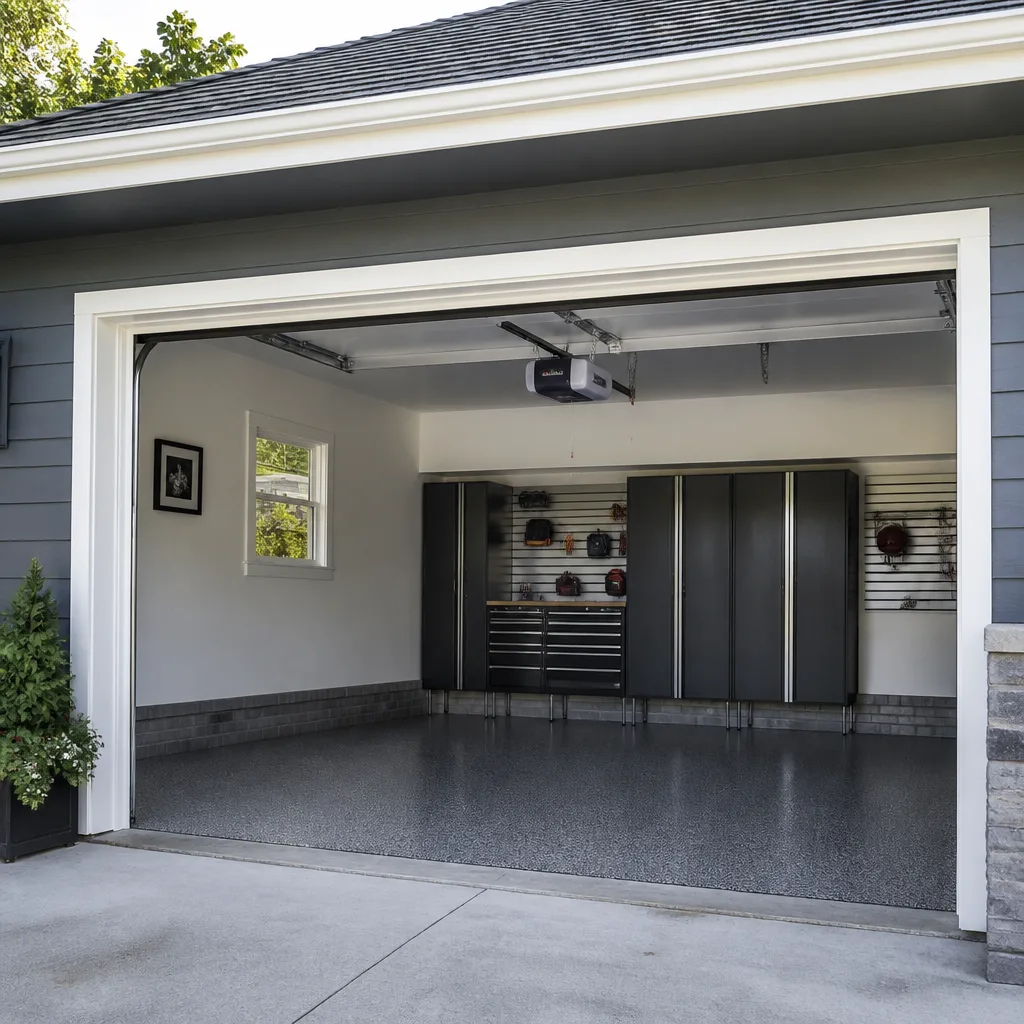
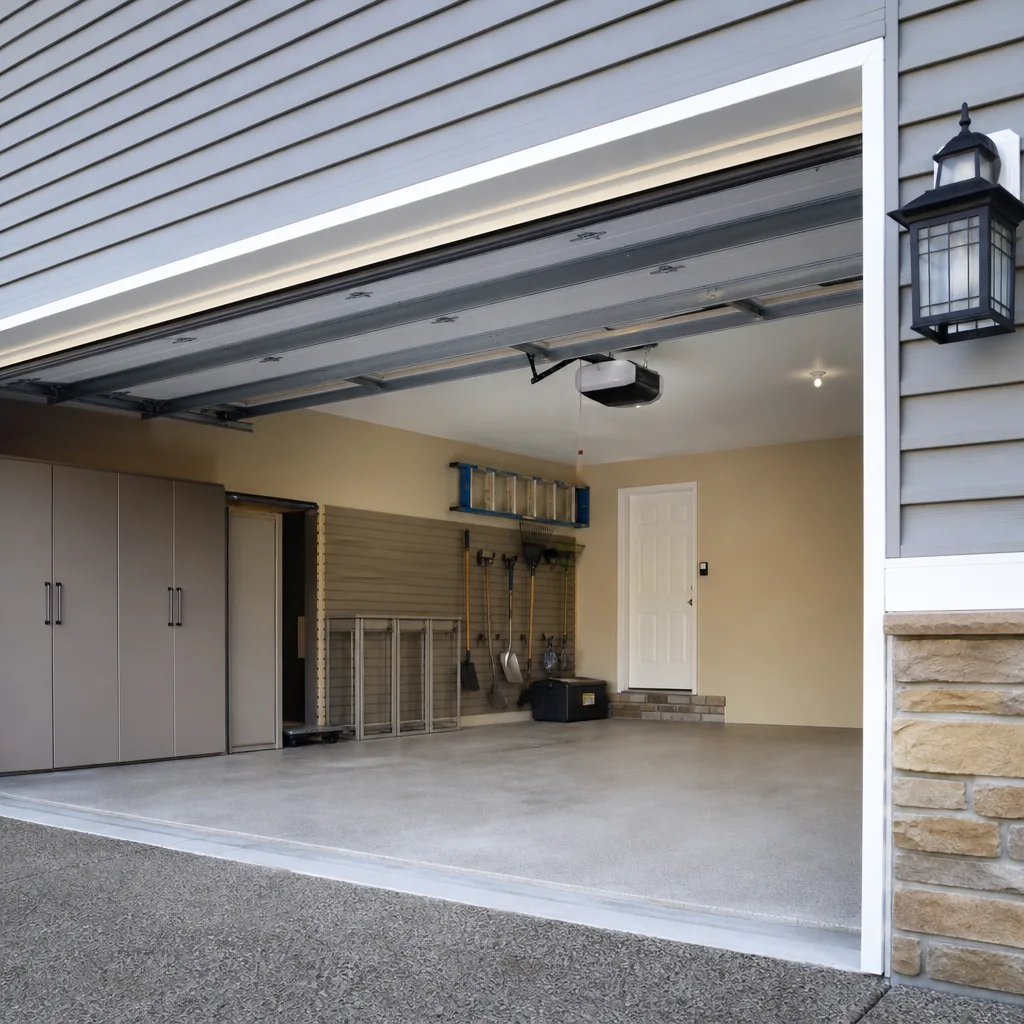
 Before
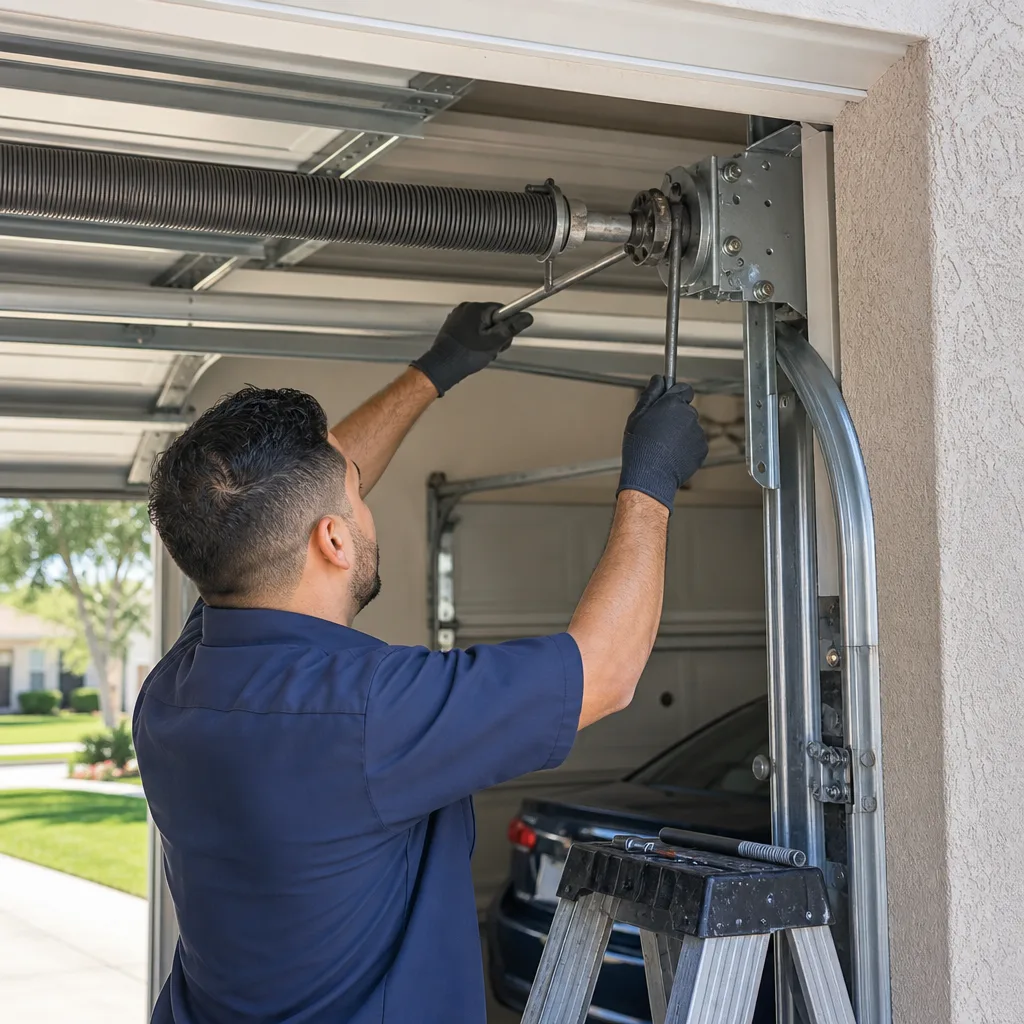 After
After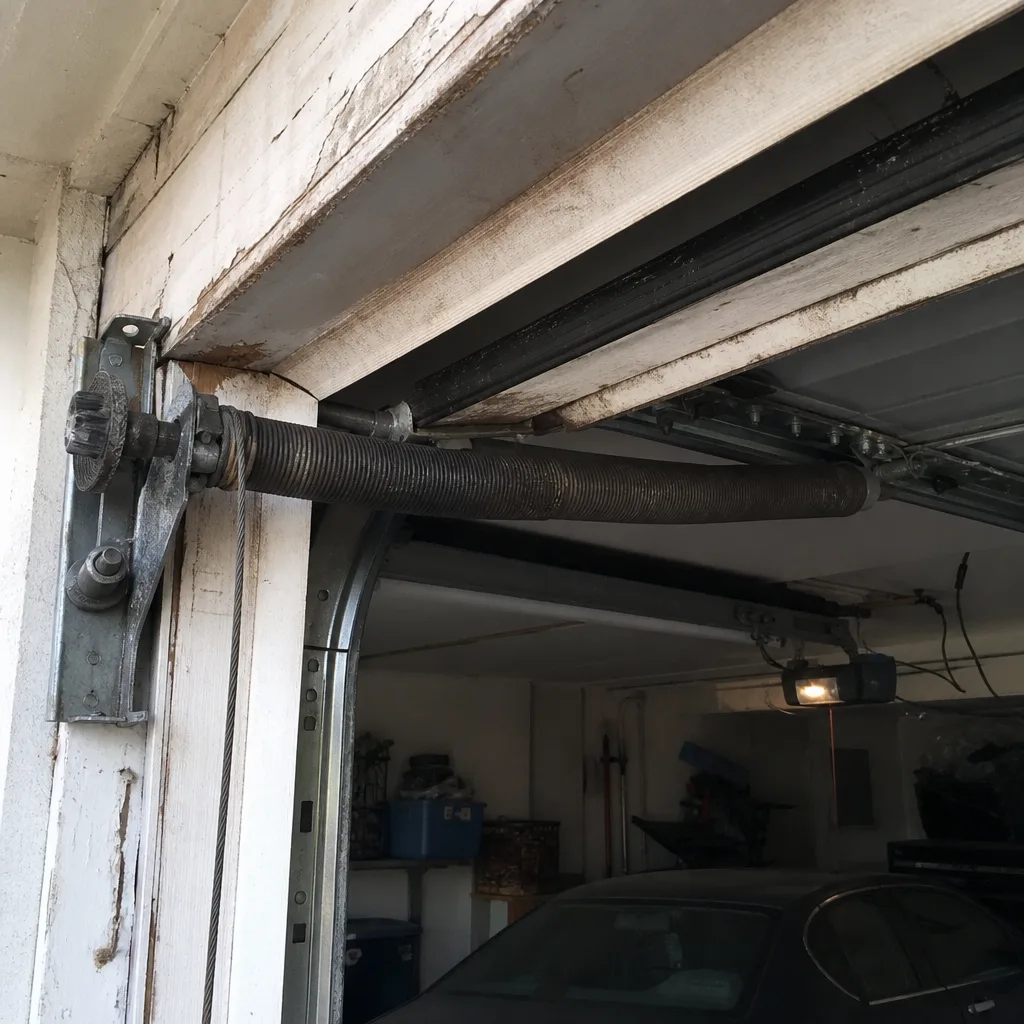 Before
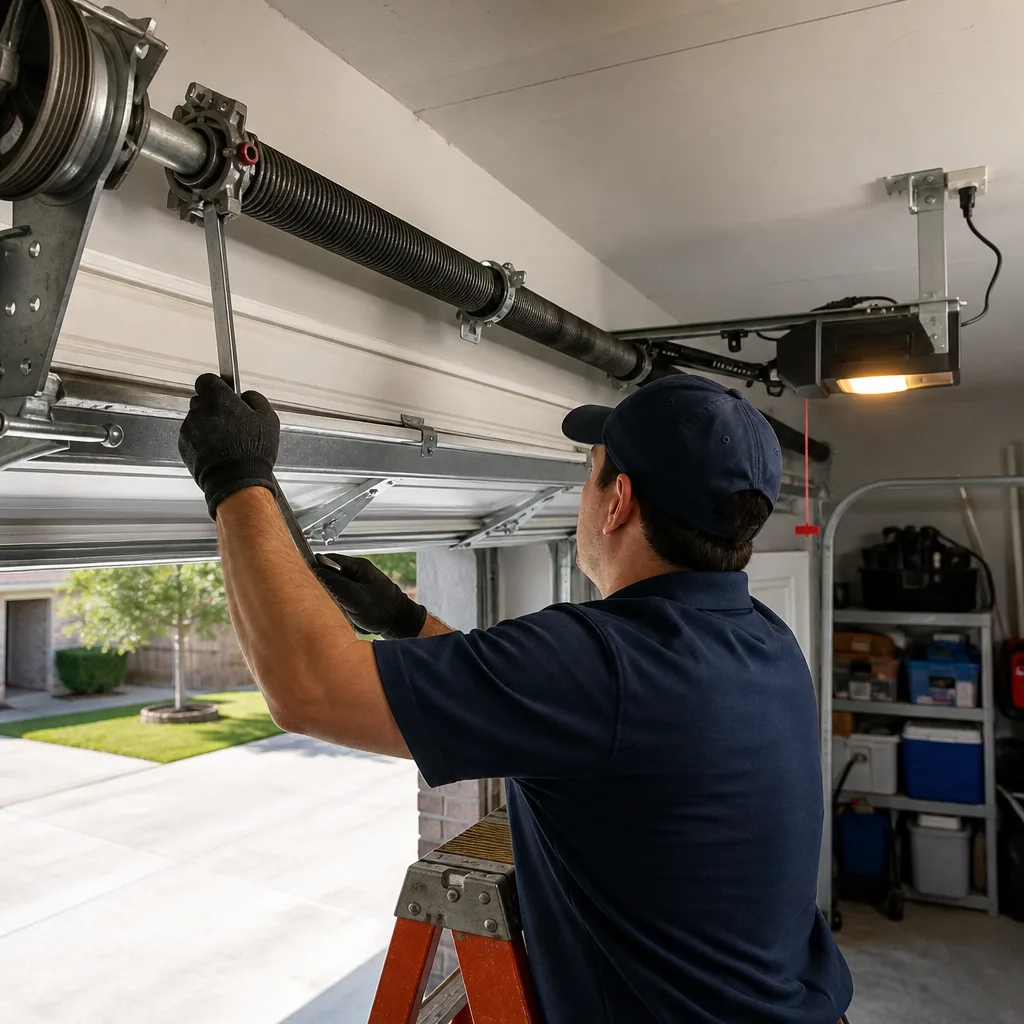 After
After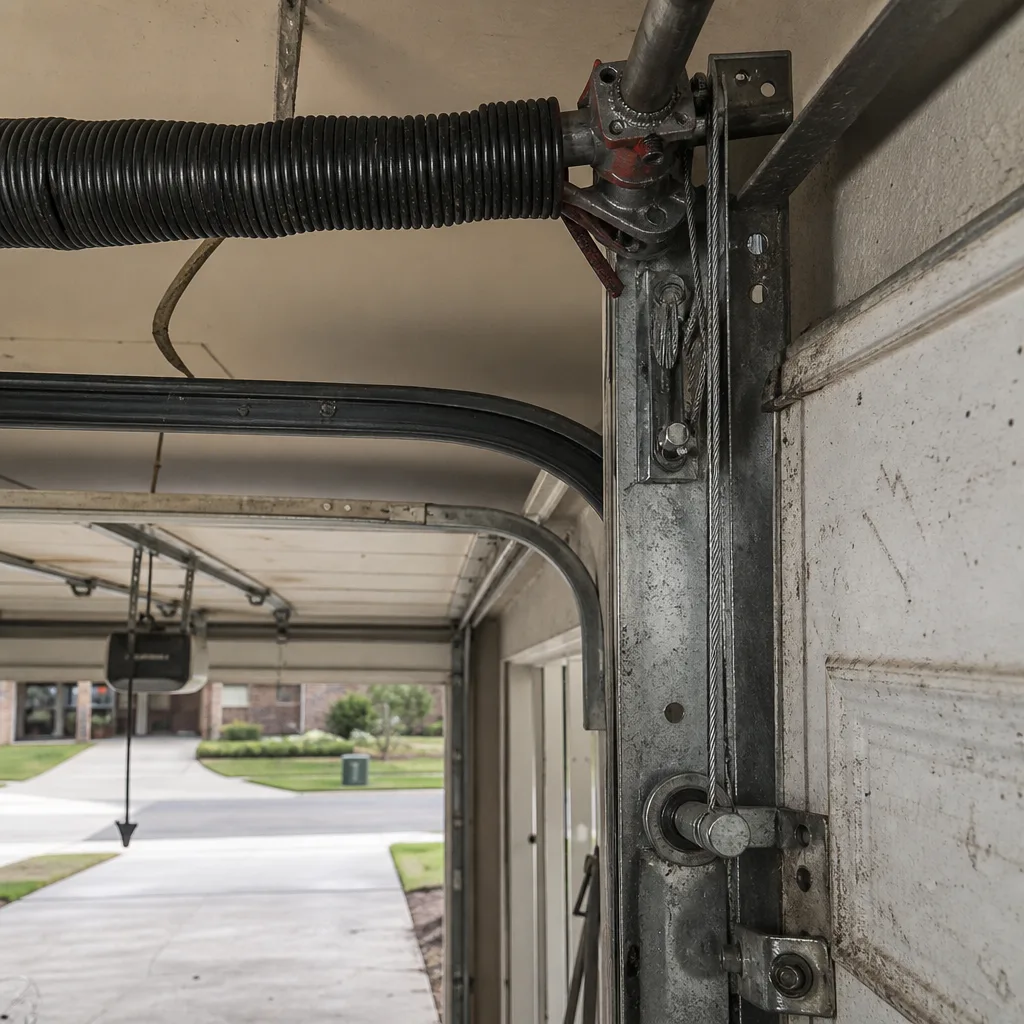 Before
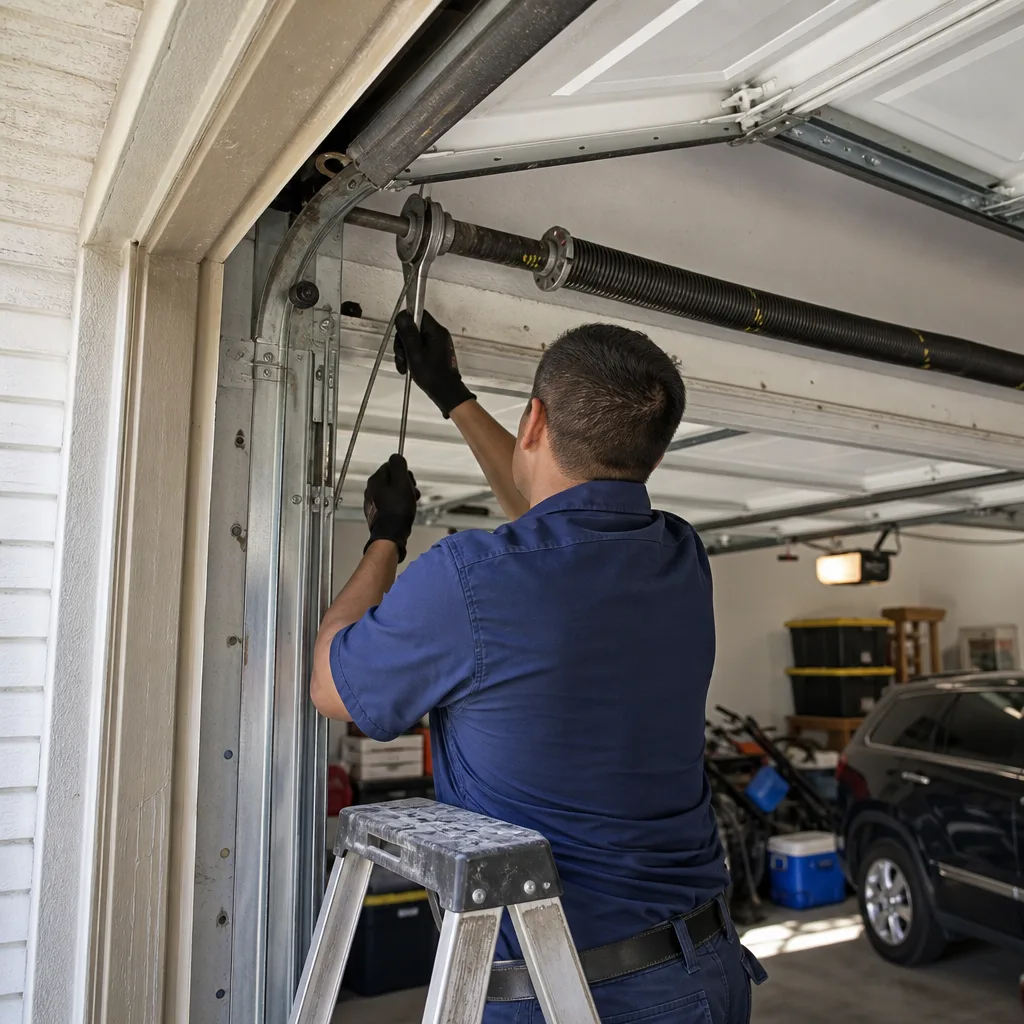 After
AfterGarage Door Repair Maintenance Checklist for Cinco Ranch Homeowners
Otto replaced 23 bottom seals last August alone. The doors weren’t old. The homeowners weren’t neglectful. Cinco Ranch just has a way of eating rubber seals on a schedule most people don’t know exists, and when a seal fails here, the heat, the clay soil, and the August rain pattern finish the job faster than you’d believe. This checklist is built from what I’ve documented on Cinco Ranch doors since 2004, not from a generic template. You’ll learn what to check, what failure actually looks like in this part of Fort Bend County, and how long you realistically have before a small problem becomes a 9 p.m. emergency. For Garage Door Warning Signs: A Cinco Ranch Homeowner’s Reference Guide, see our detailed breakdown.
Quick Answer
A garage door maintenance checklist for Cinco Ranch homeowners should cover five things: spring tension, roller and hinge wear, the bottom seal, track alignment, and opener force settings. For professional help with any of these, our Garage Door Repair services cover everything on this list. Run the visual checks every three months and the full checklist every six. The Cinco Ranch-specific concerns are heat-expanded rubber seals, dust-clogged rollers from our clay soil, and spring cycles burning out faster in our humidity.
Table of Contents
- The Month-by-Month Cinco Ranch Maintenance Calendar
- The Five-Point Visual Inspection I Run on Every Door
- How to Test Spring Tension Without Touching the Spring
- What to Lubricate and What to Leave Alone
- The Maintenance Log That Protects Your Warranty
- Common Mistakes to Avoid
- When to Call a Professional
The Month-by-Month Cinco Ranch Maintenance Calendar
Most maintenance guides split the year into spring, summer, fall, and winter. That’s useless here. Fort Bend County doesn’t have those seasons. We have wet spring, brutal summer, storm season, and about six weeks of mild weather scattered randomly between November and February. Here’s the calendar that actually matches what your door goes through in Cinco Ranch.
January – February: The Mild Window
This is when you run the full six-month checklist. Temperatures sit low enough that metal contracts and reveals problems you won’t see in August. Cold mornings make weak springs obvious because the door is at its heaviest when the air is cold. Run the spring tension test on a cold morning. If it fails in February, you have until about late April before the heat makes it worse, and you’ll pay repair prices instead of replacement prices. This is also when to inspect weatherstripping, because it’s stiff and any cracks are visible.
March – April: Pre-Storm Inspection
Fort Bend County spring storms bring wind, and wind pushes on a garage door in ways nothing else does. A door with loose hinges or worn rollers will rattle and shift under storm pressure. Walk the door during the next windy afternoon and listen. Squeaks, rattles, and any side-to-side movement mean something is loose. Tighten hinge bolts now. A door that shifts in wind is a door that jumps its track in a gust. I’ve pulled doors out of yards after spring storms, and the homeowner always says the same thing: “It rattled for a while.”
May – June: Heat Prep
This is when the ground starts drying out. Cinco Ranch sits on clay soil, and clay shrinks when it dries. Your concrete slab settles a few millimeters every summer, and that settling changes the angle between the door and the floor. Run your hand along the bottom seal where it meets the concrete. You’re feeling for gaps, especially at the corners. A quarter-inch gap lets in dust, bugs, and enough hot air to make your garage ten degrees warmer. If you find a gap, don’t ignore it. The seal will only compress further as summer progresses.
July – August: Peak Heat Monitoring
August is when I replace the most bottom seals in Cinco Ranch. The heat expands the rubber, the UV bleaches it, and the next storm soaks it, and the cycle repeats until the rubber splits. Look at the seal at eye level. If it’s cracked, brittle, or flattened, replace it before the late-August storms arrive. A failed seal lets storm water run under the door and into your garage. The cost of a new seal is a fraction of what water damage does to whatever you store in there. This is also when springs stretch most, so if your door sounds slow or heavy, call before it snaps on a 100-degree afternoon.
September – October: Storm Season Recovery
After the first big storm, check for water lines on the inside of your garage door. Water that got past the seal will leave a mineral line or dark staining on the bottom panel. If you see it, the seal failed during the storm and needs replacement before the next one. This is also when I recommend the opener force test, because storm-season humidity changes how the door moves on the track. A door that was balanced in February may bind in September.
November – December: The Second Mild Window
Run the full checklist again before the brief cold snap. Cinco Ranch doesn’t freeze often, but when it does, a garage door that’s been neglected all fall will show it. Springs that are close to the end of their cycle life will snap on cold mornings. Rollers that have been grinding through dust all October will finally seize. Spending thirty minutes on the checklist in November prevents the January emergency call.
The Five-Point Visual Inspection I Run on Every Door
I’ve built this list over 29 years of garage door work, and I run it on every single door I touch in Cinco Ranch, whether I’m there for a spring or a new opener. It takes about ten minutes. You don’t need tools for four of the five points.
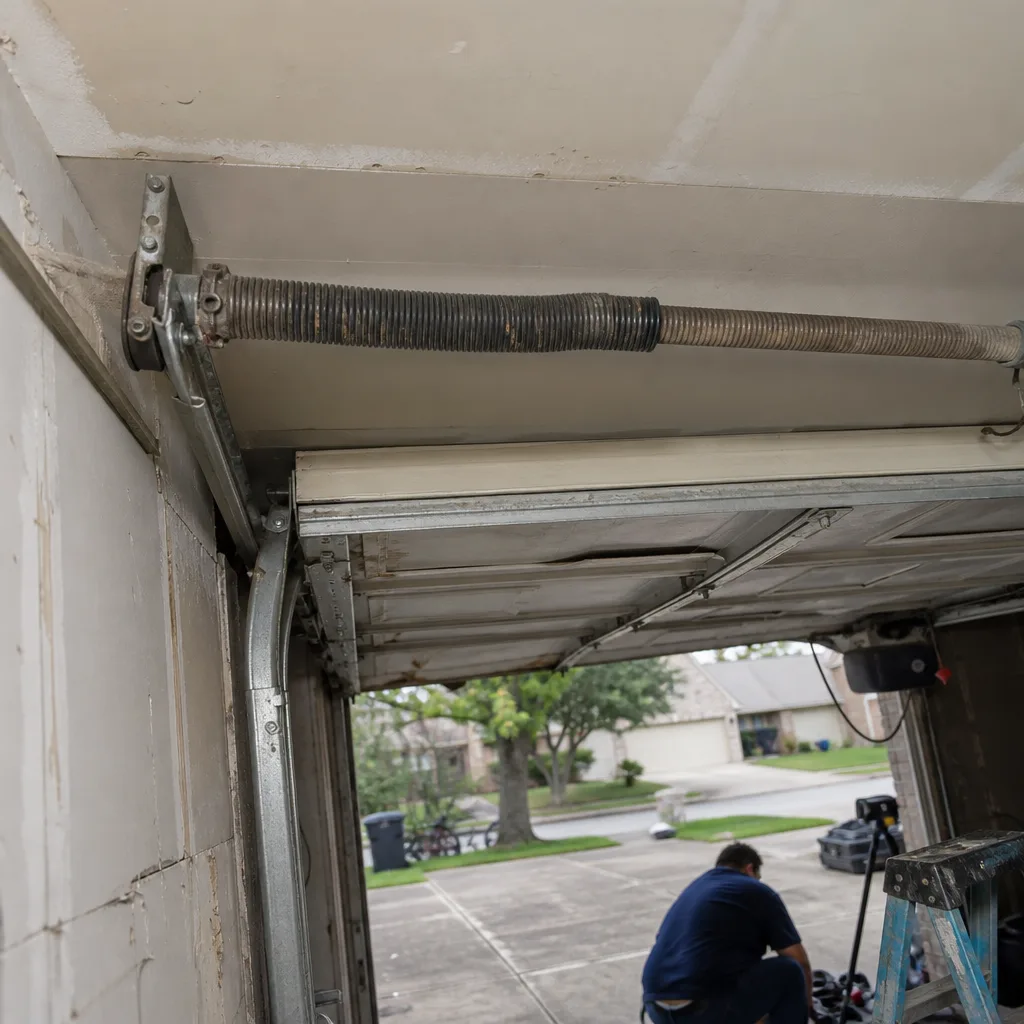
Point 1: The spring. Look at the torsion spring above the door. You’re checking for two things: rust and gaps. Surface rust is common in our humidity and is usually cosmetic. But if you see rust bubbling under the paint, that’s a structural problem. Bubbling rust means moisture has gotten into the coil, and that means the metal is degrading from the inside. A spring with bubbling rust is a spring that will break soon. Also look at the coils. They should be tight together. If you can see daylight between coils, the spring is losing tension and needs replacement, not adjustment.
Point 2: The rollers. Cinco Ranch’s clay dust gets into everything, and rollers are dust magnets. Look at the rollers where they meet the track. Worn rollers have flat spots or visible wobble. Good rollers spin freely and shine where they contact the track. The difference matters because a worn roller drags, and a dragging roller makes the opener work harder, and a working-harder opener burns out its motor two years early. Rollers are cheap. Opener motors are not.
Point 3: The bottom seal. Run your hand along the rubber seal at the bottom of the door. You’re feeling for cracks, flat spots, and gaps where the seal meets the concrete. Cinco Ranch concrete settles every summer, so the seal that fit perfectly in January may gap in August. A seal with visible cracks needs replacement within thirty days. A seal with gaps at the corners can sometimes be adjusted, but not always. If you see daylight under the door, call someone.
Point 4: The track. Look at the vertical tracks on both sides. They should be straight, parallel, and clean. Cinco Ranch dust accumulates on tracks, but dust isn’t the problem. The problem is dents, bends, or misalignment from the door bumping against the track. If the track shows wear marks, the door is not moving straight. Straight doors make clean tracks. Crooked doors leave scratches.
Point 5: The cables. Look at the lift cables on both sides. They should be taut and centered in their grooves. Frayed cables look like a rope starting to unravel. A frayed cable is a snapped cable waiting to happen, and a snapped cable is a door that comes down unevenly, which is dangerous. If you see fraying, do not touch it. Do not attempt to fix it. Call a professional. The cable is under the same tension as the spring.
How to Test Spring Tension Without Touching the Spring
Here’s the part where I tell you something most maintenance checklists won’t: you never need to touch the spring to test it. Touching a torsion spring is how people get hurt. The spring is under enough tension to lift a 200-pound door, and it doesn’t care about your hand. So don’t touch it. Test it instead.
- Disconnect the opener. Pull the red release handle. This disconnects the door from the opener so you’re testing the spring alone.
- Lift the door manually. Grab the handle or the bottom of the door and lift. It should come up smoothly and stop wherever you leave it.
- Lift it to waist height. Then let go. The door should stay in place. If it drifts up, the spring is too tight. If it drops, the spring is too loose or worn.
- Lower it halfway. And let go again. A properly tensioned spring holds the door at any point. A door that drops is a door whose spring has lost tension.
The measurement that tells you replacement is 60 days out: If the door drops more than two inches in ten seconds from waist height, the spring is not holding tension. That’s the warning sign. Most Cinco Ranch homeowners get about two to three years of usable life after the first signs of spring fatigue. If your door drops four inches or more, you’re not looking at years. You’re looking at six to eight weeks before the spring breaks. And when a spring breaks, the door doesn’t open. Your car is inside. It’s 9 p.m. on a Tuesday. That’s a call you don’t want to make.
Spring life is measured in cycles, not years. A standard spring lasts about 10,000 cycles. If you open and close your door four times a day, that’s roughly seven years. If you’re in and out eight times a day, that’s three and a half. I count spring cycles the way you count tire miles. I’ll tell you what’s left on yours.
What to Lubricate and What to Leave Alone
If you walk into a big-box store, they’ll sell you a spray can of garage door lubricant and tell you to hose down the whole door. Don’t do that. Lubricating the wrong parts causes more problems than skipping lubrication entirely, and the track is the wrongest part you can lubricate.
Never lubricate the track. Cinco Ranch dust mixes with lubricant and turns into grinding paste. A greasy track attracts clay dust, and clay dust in a track is how you get a door that shudders and binds. Tracks should be clean and dry. If your track is dirty, wipe it with a dry cloth. If it’s rusted, replace it. Don’t grease it.
Do lubricate these parts:
- Rollers. If they’re metal rollers with bearings, a drop of oil on each bearing once a year keeps them quiet. Nylon rollers don’t need much, but a light spray on the bearing helps.
- Hinges. A drop of oil on each hinge pin, once a year, keeps the door from squeaking and the hinges from grinding.
- The spring. A light spray along the torsion spring twice a year prevents surface rust. But it must be a garage door spring lubricant, not WD-40. WD-40 cleans. It doesn’t lubricate. You want a spray that leaves a light coating.
- The lock mechanism. If your door has a manual lock, oil it once a year or it’ll seize when you need it.
What kind of lubricant? Use a silicone-based garage door lubricant, or a white lithium grease for hinges and opener chains. Avoid anything petroleum-heavy. Petroleum-based products collect dust in our climate. In my experience, a light silicone spray works best for Cinco Ranch conditions because it doesn’t attract clay dust.
The Maintenance Log That Protects Your Warranty
Two minutes. That’s all the log takes. Write the date, what you checked, what you found, and what you did. Keep it in a notebook in the garage or a note on your phone. This single habit saves you money in three ways.
It cuts diagnostic time in half. When you call me and say “the door is making a grinding noise,” the first thing I ask is what changed. If you have a log that says you lubricated the rollers in March and the noise started in June, I know it’s probably not a lubrication problem. If the log says you noticed a gap in the spring in January and now it’s worse, I know we’re looking at spring replacement, not adjustment. The log gives me a starting point that your memory can’t.
It protects you in a warranty dispute. Garage door manufacturers and opener brands like LiftMaster, Chamberlain, and Genie require proof of maintenance when you file a warranty claim. A log with dates and notes is proof. A blank stare is not. If your opener motor fails at year four and you’re still under warranty, the first thing the manufacturer asks is whether the door was maintained. Your log says yes.
It reveals patterns you won’t notice otherwise. Most Cinco Ranch homeowners don’t realize their door needs a new bottom seal every three years until they look at the log and see they’ve replaced it every three years. Once you know your door’s pattern, you can replace parts on schedule instead of waiting for failure. That’s the difference between a planned $120 replacement and an unplanned emergency call at 9 p.m.
Here’s the log format I recommend:
- Date
- What I checked (spring, rollers, seal, track, cables, opener force)
- What I found (normal, worn, loose, cracked, noisy)
- What I did (lubricated, tightened, replaced, called a professional)
- Next check due
That’s the whole thing. Two minutes. It’s the difference between catching a failing spring in February and discovering it in August. For more guides & resources on keeping your door running, explore our blog.
Common Mistakes to Avoid
- Lubricating the track. I said it before and I’ll say it again: Cinco Ranch clay dust plus track lubricant equals grinding paste. Clean tracks, don’t grease them.
- Ignoring a noisy door. A squeak is a message. A rattle is a warning. A grinding noise is an ultimatum. The longer you ignore it, the more it costs to fix.
- Using WD-40 on the spring. WD-40 is a cleaner, not a lubricant. It strips the protective coating off the spring and leaves it more vulnerable to our humidity. Use silicone spray.
- Replacing one spring instead of both. Garage doors have two springs, and they wear at the same rate. If one breaks, the other is days behind it. Replacing one means paying for another service call in a month. Any honest garage door company will tell you to replace both.
- Testing the spring by hand. Do not touch the spring. Do not try to adjust it. The spring is under enough tension to break bone. Test it with the door, not with your fingers.
- Waiting until the door won’t open. Every garage door gives warning signs before it fails. The door moves slower. The spring has a gap. The seal is cracked. The opener strains. The people who avoid emergencies are the ones who act on warnings.
- Assuming the opener is the problem. If the opener is straining, the problem is almost never the opener. The opener is just a motor pulling a door. If the door is hard to pull, the opener strains. Fix the door, and the opener stops straining.
When to Call a Professional
Some things on this checklist are DIY-friendly. Lubricating rollers, checking the seal, keeping the log: those are homeowner jobs. But there are limits, and knowing them is part of responsible maintenance.
If the spring shows bubbling rust, gaps between coils, or if your tension test fails, call someone who works on torsion springs every week. If you’re not sure who to trust, read our guide on How to Hire a Garage Door Contractor in Cinco Ranch: A Step-by-Step Guide. A spring is a loaded weapon. It doesn’t care about your experience level.
If the cable is frayed, call a professional. Cables are under the same tension as the spring, and a cable snap is unforgiving.
If the door is off its track, or if the track is bent, don’t try to straighten it with a hammer. Call someone who knows how to reset a door without damaging the panels or yourself.
And if the door fell on something, or fell partially, or if anything about the door feels dangerous, call. Don’t get under it. Don’t try to force it open. Just call.
Otto’s Garage Door offers free estimates in Cinco Ranch. Call (346) 586-0344 and a live person answers, 24/7, often me. I quote the job on the call and hold that price at the door. Every job is covered by the 90-Day Done Right Promise in writing. If it’s not done right, I make it right. One call to me, not a customer-service queue.
Frequently Asked Questions
Lubricate the rollers, hinges, and spring twice a year in Cinco Ranch, once in spring and once in fall. The clay dust in our area means more frequent cleaning and less frequent lubrication than other climates. Never lubricate the track itself.
If the door drops more than two inches in ten seconds when you release it at waist height, the spring is losing tension. If you see gaps between coils or rust bubbling under the paint, the spring is near the end of its life. Call (346) 586-0344 for a free inspection. I’ll tell you exactly how much life is left on yours.
Cinco Ranch’s combination of clay soil settling, summer heat expansion, and late-summer storms destroys rubber seals on a predictable three-to-four-year cycle. The heat expands the rubber, the storms soak it, and the concrete settles underneath it. A cracked or flattened seal should be replaced before the next big rain.
No, and you shouldn’t try. A torsion spring is under enough tension to seriously injure you. Even professionals handle them with specialized tools and techniques. Everything else on this checklist is homeowner-friendly. This part is not.
Basic maintenance like lubrication and seal inspection costs almost nothing if you do it yourself. A professional tune-up typically runs $80 to $150. Replacing a bottom seal before it fails runs $100 to $180. Replacing a spring costs $180 to $340, which is why catching it early saves real money. Call (346) 586-0344 for an exact quote. Estimates are free, and the price I give you on the phone is the price you pay at the door.
If the door is less than 15 years old and in good structural shape, maintenance extends its life significantly. If it’s older than 20 years, the panels are rusting, and the springs are on their third replacement, a new door may cost less long-term. I’ll give you an honest answer either way. See our Garage Door Installation in Cinco Ranch page for what to expect if replacement is the right call.
The Bottom Line
A garage door is the largest moving object in your home, and in Cinco Ranch, it has to survive clay soil, triple-digit heat, humidity, and storm season. This checklist gives you the month-by-month rhythm, the five-point inspection, the safe spring test, the lubrication rules, and the maintenance log. Do the visual checks quarterly. Run the full checklist twice a year, in the mild windows. Keep the log. And when something needs a professional, call someone who lives here and has been fixing Cinco Ranch garage doors since 2004. You’ll find links to our Garage Door Repair in Cinco Ranch and Garage Door Opener in Cinco Ranch pages helpful. For the full picture on who we are and how we work, visit the Otto’s Garage Door home page.
Written by Otto Reinhardt, Owner at Otto’s Garage Door, serving Cinco Ranch since 2004.