
Last updated September 10, 2026
Full 25-point door and opener safety check with every visit - springs, cables, rollers, tracks, and your LiftMaster or Chamberlain opener included
You get a price before we start. It does not change when the truck arrives.
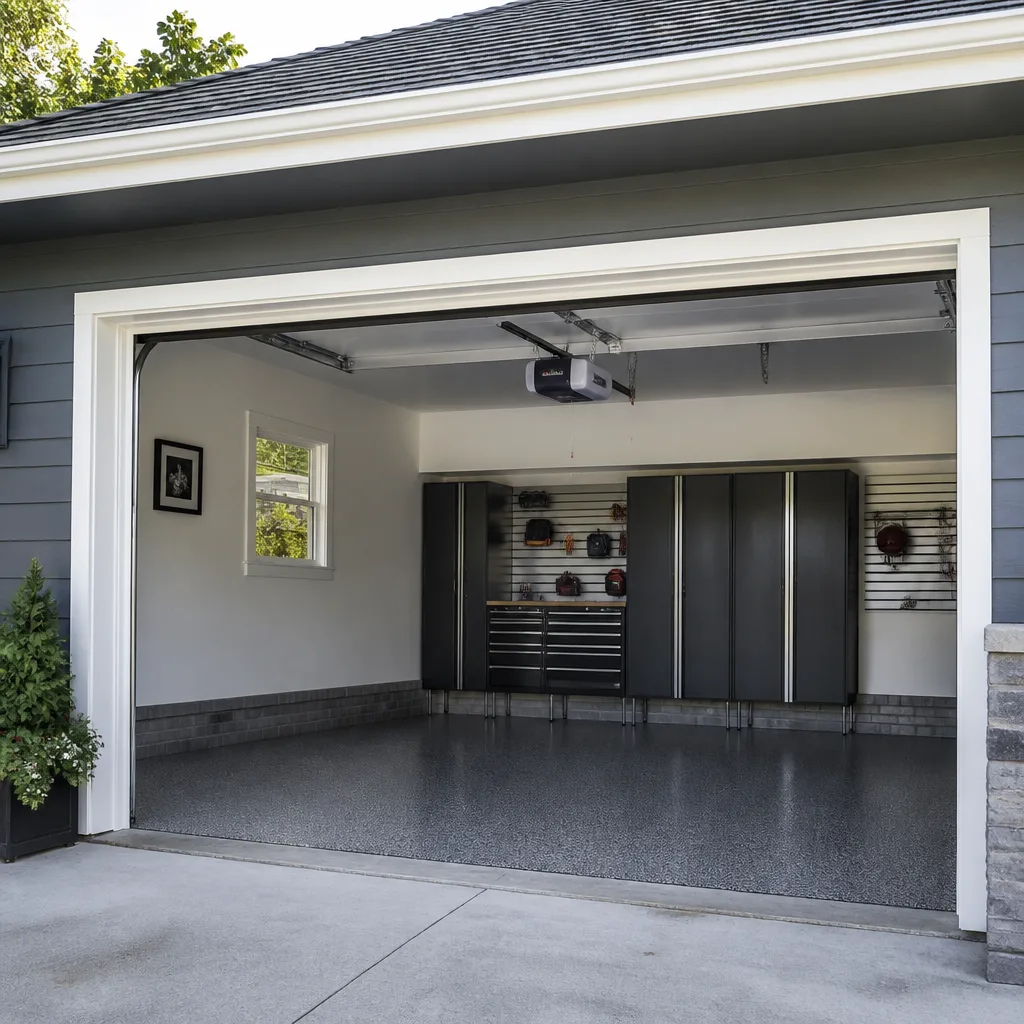
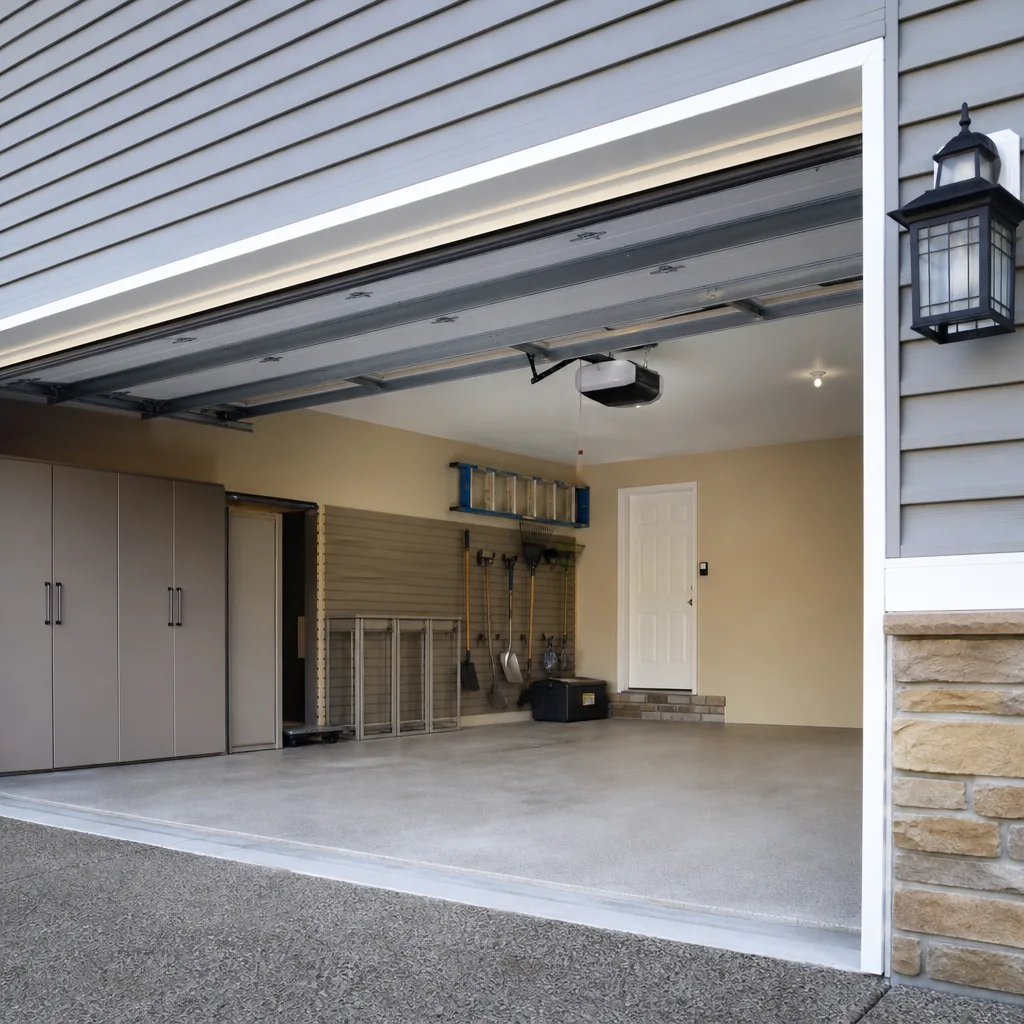
 Before
 After
After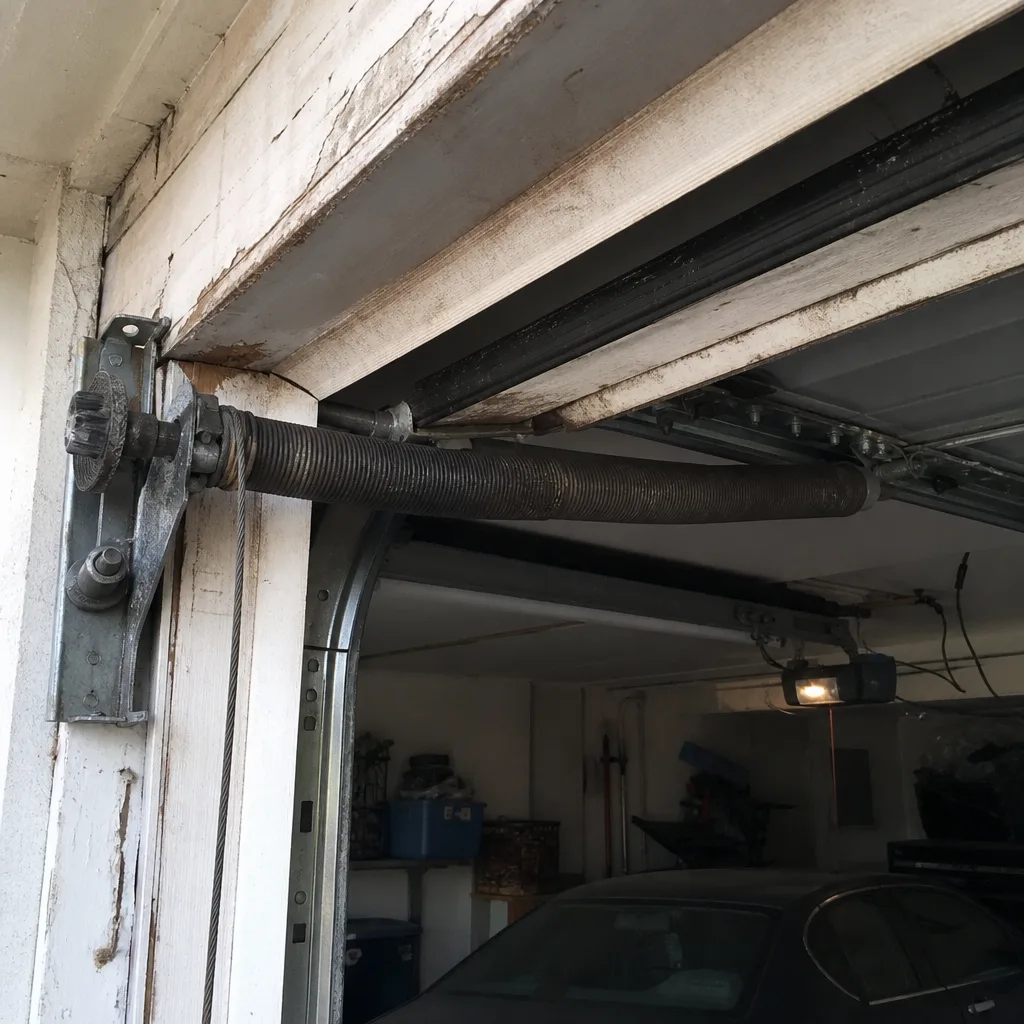 Before
 After
After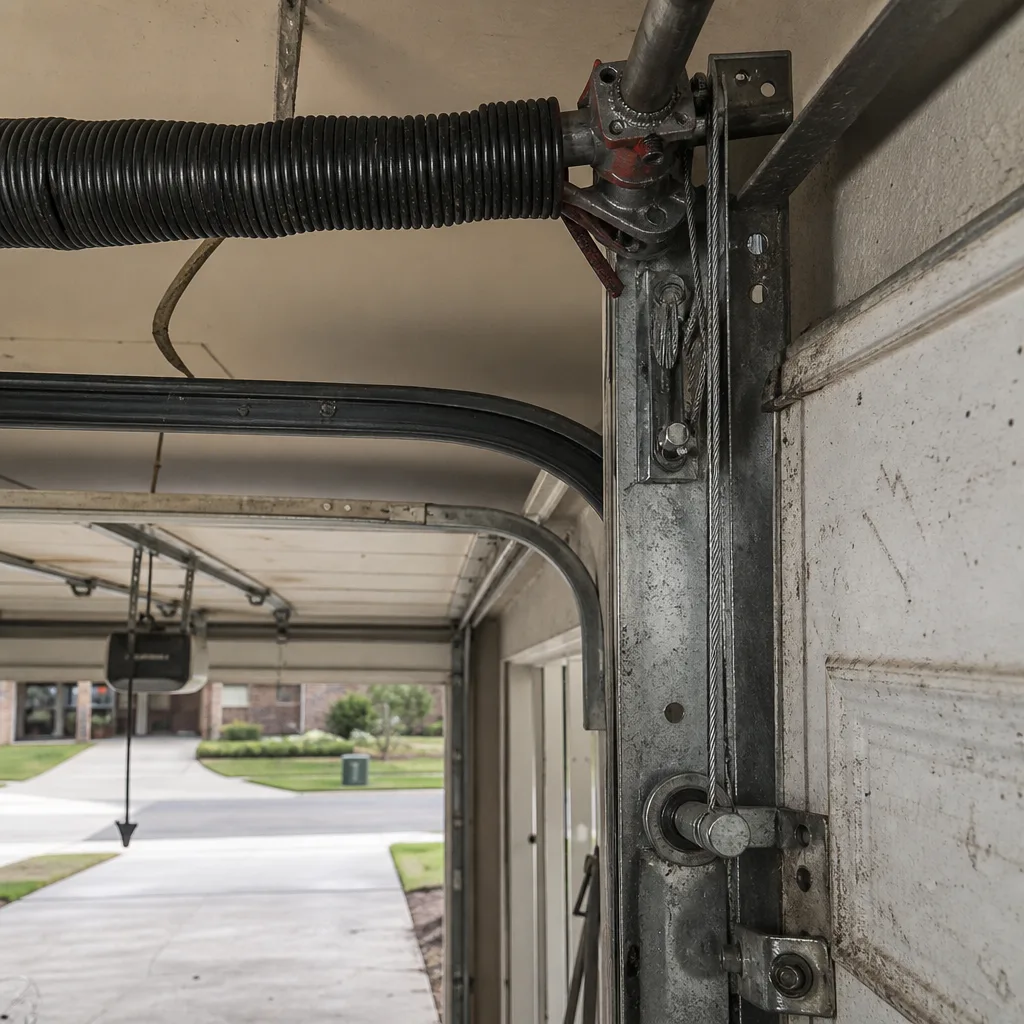 Before
 After
AfterDIY vs Professional Garage Door: The Cinco Ranch Homeowner’s Decision Guide
A garage door is the heaviest moving object in your home, and it runs on springs that store enough tension to take a finger off if you’re in the wrong place at the wrong time. But here’s what most guides won’t tell you: some of the most common garage door calls in Cinco Ranch are just loose bolts and dirty sensors that a homeowner can fix in fifteen minutes with a $10 tool. The trick is knowing which side of the line you’re standing on before you touch anything. This guide walks through exactly that line, job by job, so you know when to grab a wrench, when to grab a phone, and when to stand back and respect the door.
Quick Answer
DIY is genuinely safe for weather stripping replacement, sensor realignment, remote reprogramming, and basic panel inspection, but anything touching torsion springs, cable drums, or track brackets should be left to a professional. The middle-ground jobs like opener replacement depend more on your tool chest and patience than your courage, and this guide tells you how to self-assess honestly. If the door won’t open and a spring is involved, call a pro in Cinco Ranch and keep your hands off the hardware.
Table of Contents
- The DIY-Safe List: Jobs You Can Do This Weekend
- The Professional-Only List: Where the Risk Lives
- The Middle Ground: How to Gauge Your Own Skill Honestly
- The Real Cost Comparison: What DIY Actually Saves You
- What Otto Tells Homeowners Who Insist on Doing It Themselves
- Cinco Ranch Specifics: Climate, Codes, and What We See Here
- Common Mistakes to Avoid
- When to Call a Professional
- Frequently Asked Questions
- The Bottom Line
The DIY-Safe List: Jobs You Can Do This Weekend
Before we get to the scary stuff, let’s be fair about what a competent homeowner can handle. None of these jobs involve stored energy, none of them can drop the door on you, and none of them will cost you an emergency service call if you get it slightly wrong. We’ve watched Cinco Ranch homeowners knock these out between lunch and the school pickup run.
The common thread in every DIY-safe job is simple: if you make a mistake, the worst outcome is a door that doesn’t work quite right until you call someone to fix your fix. The door stays up. The springs stay wound. Nobody goes to urgent care. That’s the threshold, and it’s the same one Otto uses when he tells a homeowner what they can handle themselves rather than sending a truck.
The Safe List, Sorted by Effort
- Weather stripping replacement (bottom seal): The rubber strip along the bottom of your door cracks and flattens in the Houston-area heat, and it’s the number one entry point for rain, dust, and the occasional gecko. You can buy a replacement seal at any hardware store in Cinco Ranch for $12 to $25, slide out the old one, and slide in the new one. A utility knife and a flathead screwdriver are the only tools you need. This job pays for itself the first time you don’t see a puddle inside the garage.
- Sensor realignment: If your opener’s light blinks and the door reverses for no reason, check the two photo-eye sensors near the floor. They’re small plastic eyes, one on each side of the door opening, and they have to point directly at each other. A broom handle to nudge the brackets, a level to confirm, and you’re done in ten minutes. In Cinco Ranch, ground settlement under driveways and garage slabs tilts these sensors out of alignment more than most people realize.
- Remote reprogramming: If a new remote won’t pair or the old one stopped working after a power blink, the fix is usually pressing a learn button on the opener unit and holding a button on the remote. Every Chamberlain, Genie, and LiftMaster opener has the button in a slightly different spot, but the process is the same and the manual is usually still taped to the motor housing. No tools, no risk, no reason to pay for a service call.
- Visual panel inspection: After hail or a windstorm, you don’t need a pro to walk around and count dents. If the dents are purely cosmetic and the door still opens and closes evenly, you can take your time deciding whether to replace panels or live with the character. What you’re looking for is anything structural: a panel that bows inward, a crack along a seam, or a door that drags on one side. Those are indicators to call someone before the door binds.
- Track cleaning and light lubrication: A rag and some degreaser on the interior track faces will remove the black gunk that builds up from years of garage dust. For lubrication, use a garage-door-specific silicone spray on the hinges and rollers, never WD-40, which attracts grime and shortens roller life. Keep your hands away from the track bolts themselves and you’ll be fine.
Every one of those jobs improves your door’s lifespan and none of them can hurt you. That’s the list we’re comfortable putting in a guide that a homeowner’s grandkid might read over their shoulder.
The Professional-Only List: Where the Risk Lives
Now the other side of the line, and we’re going to be plain about why each job is on it. These are not opinions and they’re not upsells. Every item on this list has sent someone to the emergency room or worse, and in each case the person doing the work was a capable homeowner who believed they had it under control.
Torsion Spring Replacement and Adjustment
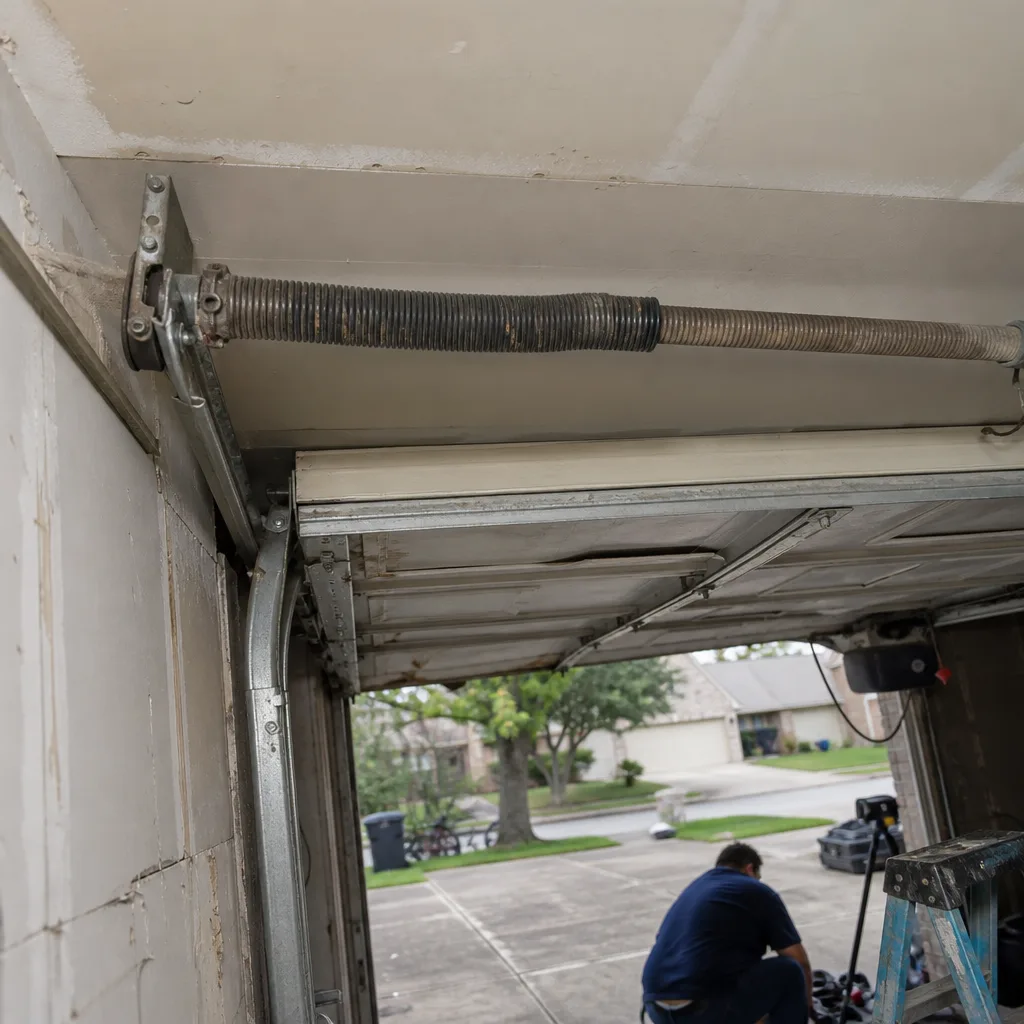
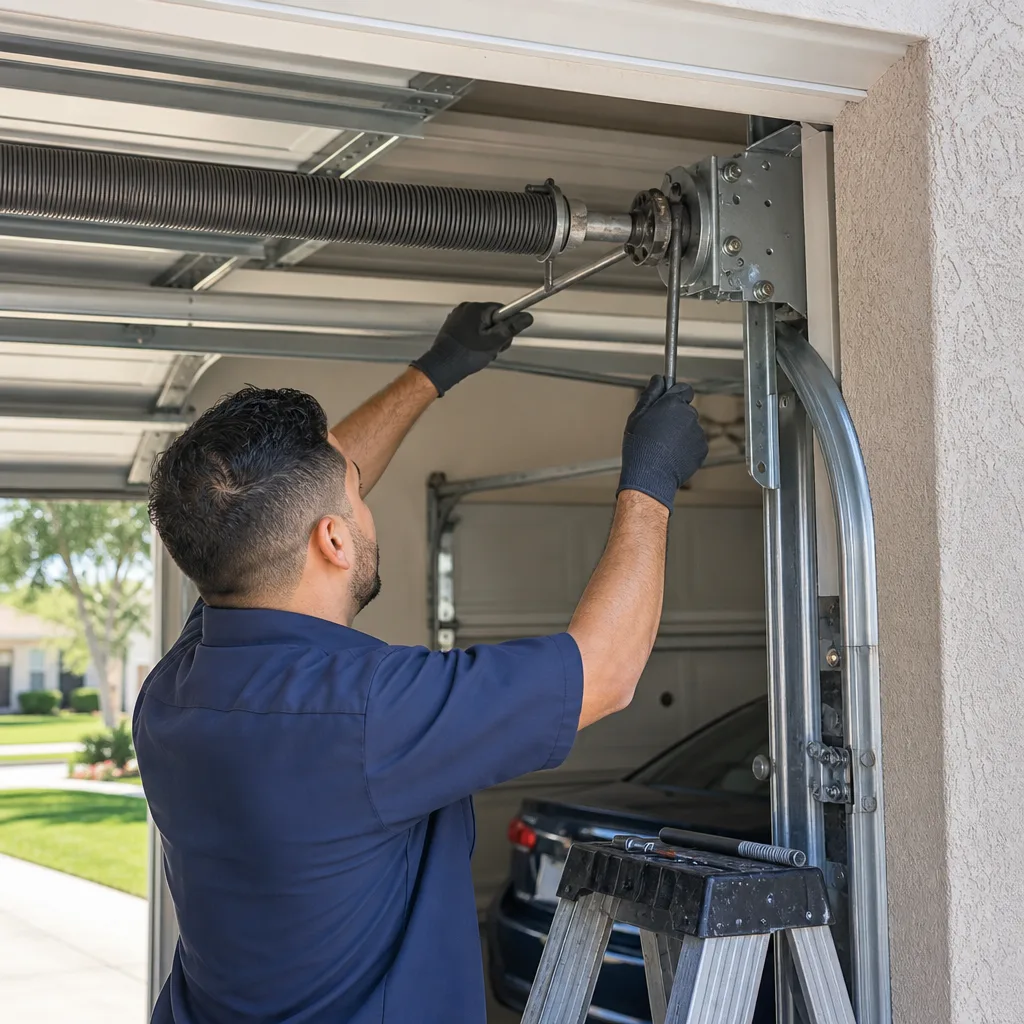
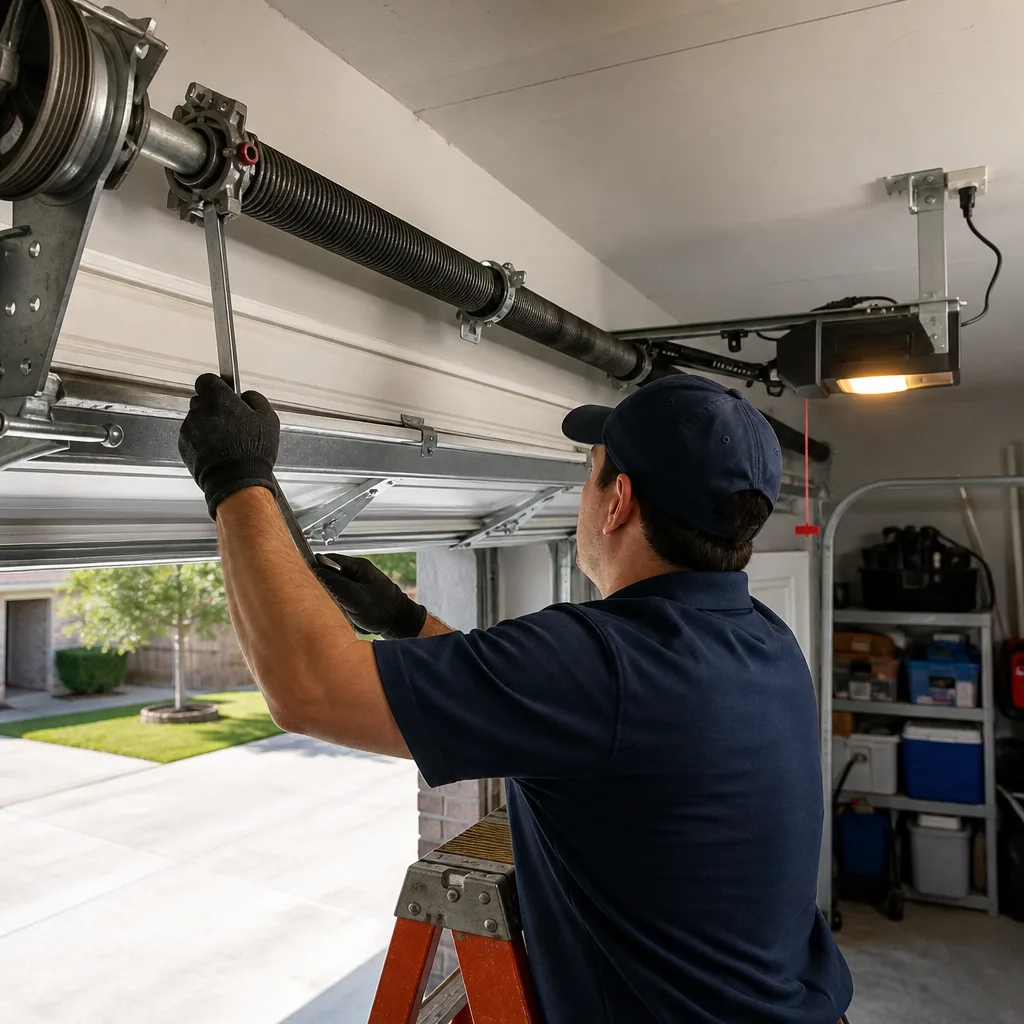
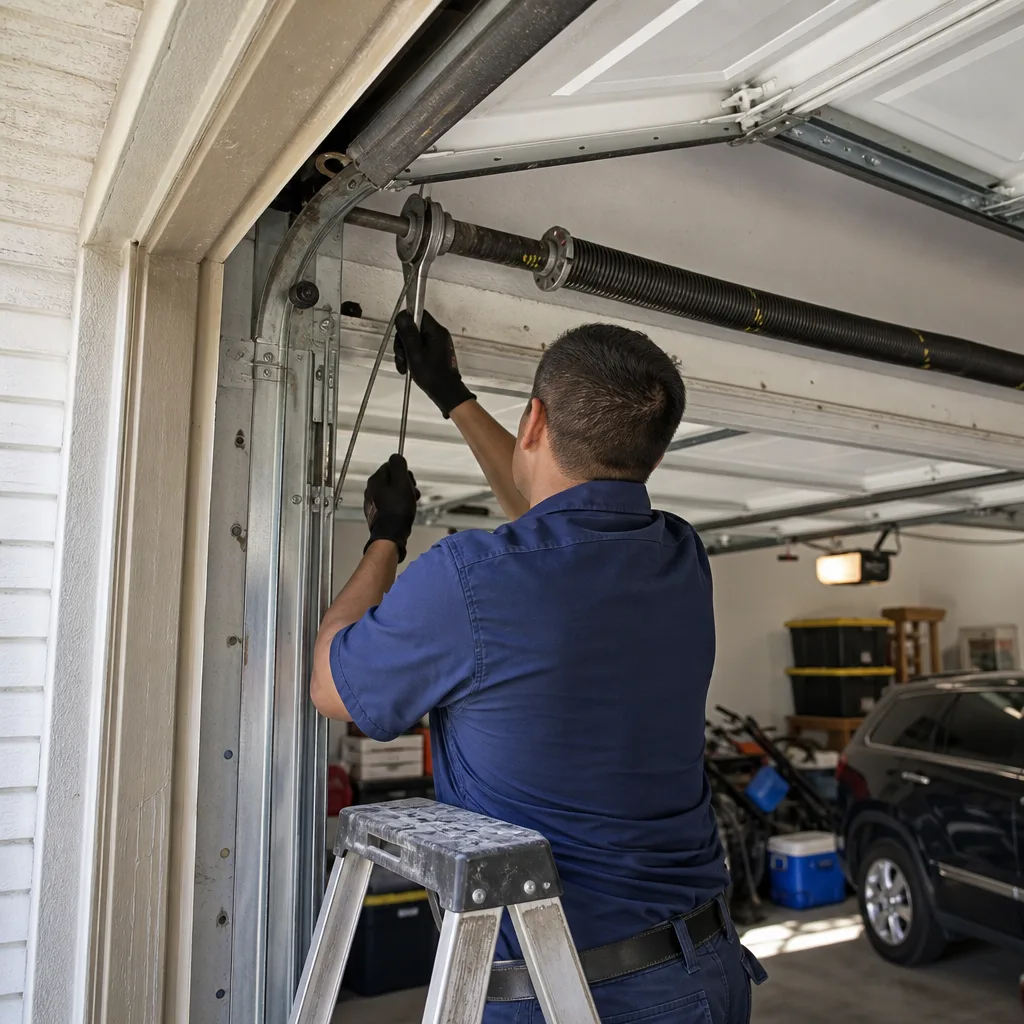
A torsion spring is a tightly wound coil of steel mounted on a bar above the door opening. When the door is closed, that spring is storing hundreds of pounds of torque. A door is 200 pounds riding on two springs. Respect it. When a spring breaks, the loud crack you hear from inside the house is the sound of that stored energy releasing all at once. To replace one, you need winding bars that fit the cone sockets exactly, not screwdrivers from the junk drawer, because a screwdriver will slip out and the cone will spin with enough force to break bones in your wrist, hand, and forearm before you can react. Otto has driven to homes where a homeowner watched a YouTube video, got the spring half-unwound, and called him from the driveway because they were afraid to finish. The video didn’t mention that the risk window is in the middle of the job, not the beginning. Half-wound is the most dangerous state a torsion spring can be in.
Cable Drums and Lifting Cables
The cables on either side of the door work under the same tension as the springs. When a cable snaps or a drum slips, the door doesn’t just fall. It drops hard, fast, and off-balance, and anything under it takes the full weight. The cable itself, when it lets go, whips backward with steel-wire velocity. This is not a job you improvise. It takes a pro in Cinco Ranch about thirty minutes with the right winding tools, and the reason it’s quick for a pro is the same reason it’s dangerous for a novice: the pro knows exactly where the release point is and keeps his hands on the safe side of it.
Track Replacement on Heavy Doors
If your door is off its tracks, the temptation is to muscle it back on. On a single-car aluminum door, maybe, if you have a helper and you’re both strong. On a double-car steel or solid wood door, no. The track brackets are under lateral load the entire time, and if one lets go while you’re working, the door comes down at an angle you cannot predict or stop. Even on lighter doors, a poorly reset track will wear out rollers within months and put the whole system out of balance. This is a job where “close enough” costs you more in the long run than the service call would have cost in the first place.
Spring System Adjustment (Extension or Torsion)
Maybe your door isn’t broken, exactly. It just feels heavy when you lift it manually, or it slams harder than it used to. That’s a spring tension problem, and the fix is adjusting the spring to match the door’s current weight, which changes as rollers wear and rust adds pounds. Making that adjustment requires the same winding bars and the same safety protocol as replacing a spring, which means it’s on the professional list for all the same reasons. An oversprung door can launch upward through the ceiling; an undersprung door can drop without warning. Both outcomes are avoidable by calling someone whose hands do this weekly.
The Middle Ground: How to Gauge Your Own Skill Honestly
Between the safe list and the dangerous list sits a gray zone where the honest answer depends on your tools, your patience, and your willingness to have the door offline while you figure it out. The most common job in this zone is opener installation or replacement. It won’t hurt you if you get it wrong the way a spring will, but it will eat an afternoon, and a botched install can shorten the opener’s life and leave you with a door that doesn’t close all the way.
Here’s a self-assessment that takes two minutes and will save you a frustrating Saturday.
- Do you own a 6-foot stepladder, an adjustable wrench, a socket set, and a power drill? If any of those are missing, the trip to the hardware store is your first sign. You’re not just buying tools; you’re buying back half the money you’d have paid a pro, and the pro was bringing tools anyway.
- Is your existing opener still functional? If you’re replacing a dead opener, the old one has to come down first, which means unbolting it from the ceiling bracket, disconnecting the arm from the door, and managing the wiring. If you’re comfortable doing that and can do it without watching a video at each step, proceed. If you’d be learning as you go, the middle of the job is not the time to learn.
- What brand are you installing? Chamberlain, Genie, and LiftMaster units all install differently. The mounting brackets, the rail assembly, and the safety sensor wiring vary. Some of them now require a smartphone app setup that takes longer than the physical install. If you’re brand-loyal because that’s what’s already in the garage, you’ll have an easier time. If it’s a brand you’ve never seen up close, the instructions will assume knowledge you don’t have.
- Is your garage ceiling finished or open-joist? Cinco Ranch garages run both ways. An open-joist ceiling makes the installation visible and simple. A drywalled ceiling means fishing wires through spaces you can’t see, and that’s the point where most DIY opener swaps go sideways.
- Do you have four to six uninterrupted hours? A pro does this in two. A patient first-timer can do it in four if nothing goes wrong. If your Sunday looks like the kids have soccer and your in-laws are coming over, this is not the Sunday to try.
If you answer honestly and three or more of those give you pause, the math says call someone. You’re not paying for the two hours of labor. You’re paying for the years of doing it without creating three more problems.
The Real Cost Comparison: What DIY Actually Saves You
The most misleading part of every “DIY vs hire a pro” article is the math. They compare the retail price of a part to the all-in price of a service call and declare DIY the winner by a country mile. But that math only works if you already own every tool, already know every step, and don’t make a single mistake. In the real world, in Cinco Ranch driveways, the numbers shake out differently.
A Real Example: Opener Replacement
- Opener unit at retail (big box store): $180 to $280 for a basic chain-drive model from Chamberlain or Genie.
- Tools you might not own: Stepladder ($60 to $120), socket set ($40 to $100), drill ($70 to $150), level ($15 to $30). If you’re starting from scratch, that’s $185 to $400 on top of the opener.
- Your time: Four to six hours at whatever rate you value a Saturday. For most Cinco Ranch professionals, that’s effectively $200 to $500 of personal time.
- Risk of rework: If the mounting sags, the rail binds, or the sensors end up just slightly off, you’re either living with a noisy opener that trips its safety reverse, or you’re calling a pro anyway. That’s the one callback where something goes wrong, and it erases the last of the DIY savings.
Now consider what a local pro actually charges for the same job. The opener itself comes at trade pricing because shops buy them by the pallet, not the shelf. The install is itemized upfront, quoted before the visit, and never revised upward at the door. When you add up retail parts, retail tools, an honest value on your own weekend, and the cost of a mistake, DIY saves less than most people think. Sometimes it saves nothing. Sometimes it costs more.
The jobs where DIY genuinely wins are the safe-list jobs we covered up top, because those are low-stakes, low-tool, and low-skill. The bigger the job, the smaller your DIY advantage. That’s the honest version of the math.
What Otto Tells Homeowners Who Insist on Doing It Themselves
Some people are going to do the risky thing regardless of what any guide says. We get that. Stubbornness and self-reliance are two of the reasons Cinco Ranch is a good place to live, and Otto’s been the same way since he started turning wrenches. So when a homeowner on the phone says they’re going to replace a torsion spring themselves, here’s what he actually says. It’s not a lecture. It’s the specific step where people get hurt and how to recognize it before they’re there.
He tells them the danger is not at the start of the job, when the spring is still fully wound and you’re just positioning the bars. It’s not at the end, when the new spring is tensioned and locked into place. It’s in the middle, when the old spring is half-unwound and the new one is half-wound. That’s the moment the cone wants to spin and no amount of grip strength will stop it. If you’re going to ignore good sense and do this yourself, at least know that the halfway point is where you are most likely to lose control, and respect it accordingly. Then he says to write down the phone number, because half the people who start this job call from the driveway, and Otto would rather finish it right than have you finish it in the ER. If the opener is straining, the problem is almost never the opener, and that’s the other thing he tells them. A door that grinds, jerks, or moves unevenly is usually a spring or track issue, which means the homeowner who replaces just the opener has spent money on a part that was never the problem. The opener is the messenger. Shoot it and the message still waits in your garage.
Cinco Ranch Specifics: Climate, Codes, and What We See Here
Garages in Cinco Ranch live a harder life than garages in most of the country. The humidity never really leaves, and the summer heat does things to spring steel that northern winters can’t touch. Springs lose tension faster in consistent heat. Rollers collect more dust, and that dust mixes with humidity into a paste that grinds against the track. Weather stripping bakes brittle and splits. If your door is eight years old and you’ve never touched the weather stripping, check it this week. You’ll probably see cracks.
We’re also in hurricane territory, and whether you’re in the zoned evacuation edge or not, your garage door is your single largest wind-load surface. After every storm season, it’s worth walking the track, checking the panel seams, and making sure the door is still lifting evenly. A door that’s out of balance after a storm is a door that will fail completely on the next one. Some Cinco Ranch HOAs have specific requirements about door appearance and panel condition, so visible dents aren’t just an aesthetic gripe. Check Garage Door Permits, Codes & Inspections in TX: What You Need to Know before starting any work. They can be a letter from the management office. That makes panel assessment and repair more urgent here than it would be somewhere with fewer rules.
What we see most often in Cinco Ranch specifically: rust-locked rollers on doors that face east and get morning sun, warped bottom seals from driveways that pool water after a hard rain, and spring failures on doors that get opened and closed five times a day during the school year. Those are the patterns we recognize, and they’re the reason a local shop knows your door type before the truck arrives. You’re not a ticket number, and your garage isn’t anonymous. It’s the same builder, the same climate, the same soil, and the same HOA as the last fifty doors we did in your zip code.
Common Mistakes to Avoid
- Using WD-40 on rollers and hinges. It feels like you’re doing maintenance, but petroleum-based spray turns into a dust magnet, and within three months your rollers are worse than before. Use garage-door silicone or lithium grease, and only on the moving parts.
- Adjusting one spring and not the other. A garage door rides on two springs, and if you only tension one, the door lifts crooked and wears out every roller and hinge in the system. Whatever you do to one side, the other side needs the same.
- Trying to force a door off the floor when it’s frozen shut. A door that won’t move usually has a broken spring or a locked opener. Pulling harder, with a car, a winch, or two grown adults, damages the top section and the opener arm. Stop and assess.
- Replacing the opener before checking the door’s balance. If the door is heavy and uneven, the new opener will burn itself out trying to lift it. That’s the “the problem is almost never the opener” rule. Check the door first, replace the opener second.
- Skipping the safety sensor check after any DIY work. The sensors are the only thing standing between your car and a door that doesn’t reverse. After installing or adjusting anything near the door, test the sensors with a 2×4 or a broom handle. If the door doesn’t reverse, don’t leave it that way.
- Doing level work without a helper. Some jobs need four hands: resetting a track, holding a panel while you bolt it, aligning a rail. A second person is free and keeps the job from becoming an injury. Don’t solo jobs that were designed for two.
When to Call a Professional
You should pick up the phone when the job involves a torsion spring, a cable, a track, or a door that refuses to stay balanced. You should also call when your opener is dead and you’ve never installed one before, when a panel is cracked rather than just dented, or when a door has come off its track and you can’t easily see why. None of those are shame calls. They’re the calls that save you from becoming the person Otto meets in the driveway mid-repair, standing next to a half-wound spring with a bent screwdriver in your hand. Garage Door Repair in Cinco Ranch is what we do every day, and we’d rather price it for you than patch it after an accident. Otto’s Garage Door offers free estimates in Cinco Ranch, call (346) 586-0344, and we’ll tell you straight whether it’s something you can handle or something that needs our hands.
Frequently Asked Questions
Spring replacement in Cinco Ranch typically runs between $180 and $340 depending on whether it’s a single torsion spring, a double spring system, or an extension spring setup, and most local shops can do it same-day if the parts are on the truck. The price includes the new spring, the labor, and a balance test on the door, and you should always confirm the price is fixed before the work starts. For an exact quote, call Otto’s Garage Door at (346) 586-0344. Estimates are free.
You can replace a single panel yourself if the panel is cosmetic and the door holds its shape, but it’s a two-person job that requires removing the old panel, aligning the new one, and re-inserting the hinges without stressing the surrounding sections. If the damaged panel is load-bearing, which is true for any middle or bottom panel on a double door, a mismatched replacement will throw off the door’s weight and stress the springs over time. When in doubt, a professional panel assessment costs less than a spring replacement caused by a poorly balanced door.
A 15-year-old door that’s structurally sound is often worth repairing, especially in Cinco Ranch where HOA guidelines and matching door specs can make replacement an approval process as well as an expense. The places where repair stops being worth it are widespread rust, a bent track system, a broken panel on a door that’s no longer manufactured, or two failed springs within a year. If you need a straight answer on yours, Garage Door Installation in Cinco Ranch is something we quote honestly, whether that means patching what you have or pricing a new Amarr or Clopay door.
A bottom seal replacement takes fifteen to thirty minutes if you buy the right width of seal for your door and have a utility knife on hand. The old seal slides out of the retainer channel, the new one slides in, and you trim the ends. If the retainer is cracked or rusted, that’s a separate fix, and a new aluminum retainer runs another fifteen minutes and a screwdriver. This is one of the few jobs where DIY makes sense almost every time.
Most major garage door opener brands, including Chamberlain and Genie, write their warranties to cover the opener itself, not the installation, so installing it yourself usually won’t void the warranty on the motor. What it can do is give you a door that’s out of balance with a new opener straining against an old problem, which shortens the opener’s life and sometimes voids the warranty if the brand determines the failure came from misinstallation. Read the warranty language before you buy, and be honest about your tool situation.
A broken spring is an emergency because your vehicle is often trapped in the garage, and in Cinco Ranch we can usually have someone there the same day, often within hours, because we’re local and we keep common spring sizes on the truck. Calls are answered by a live person around the clock, and the price quoted on that call holds when the truck shows up. If you’re stuck, call (346) 586-0344.
The Bottom Line
DIY and professional garage door work are not in competition. They occupy different parts of the same garage. The safe jobs, weather sealing, sensors, remotes, and cosmetic inspection, are homeowner work and always will be. They’re cheap, low-risk, and satisfying to do yourself. The dangerous jobs, springs, cables, tracks, and structural panels, are professional work because the cost of a mistake is measured in fingers, not dollars. The gray-zone jobs in between are self-select: if you have the tools, the time, and the temperament, go for it. If you don’t, calling a local shop in Cinco Ranch is not defeat. It’s just good math. If you’re ever unsure, call and ask. Otto answers the phone himself more often than not, Otto’s Garage Door home to the whole neighborhood, and if he tells you a job is DIY-safe, he means it. If he tells you to wait for the truck, there’s a reason, and he’ll be the one driving it. For straight answers and free estimates on any garage door job in Cinco Ranch, call Otto at (346) 586-0344 or see what we cover on Garage Door Opener in Cinco Ranch.
Garage Door Brands We Work On
Through the years we’ve serviced every major garage door brand that’s sold around Cinco Ranch, and that includes the usual suspects on the opener side: Chamberlain, Genie, and LiftMaster, plus door manufacturers like Clopay and Amarr. No matter what name is stamped on the motor or the panel, the parts wear the same way in this climate, and the fixes are the same. If the opener is straining, the problem is almost never the opener. We’ll tell you what’s actually wrong and what it costs to make it right, and you’ll get that number before we lift a wrench.
Written by Otto Reinhardt, Owner at Otto’s Garage Door, serving Cinco Ranch since 2004.